
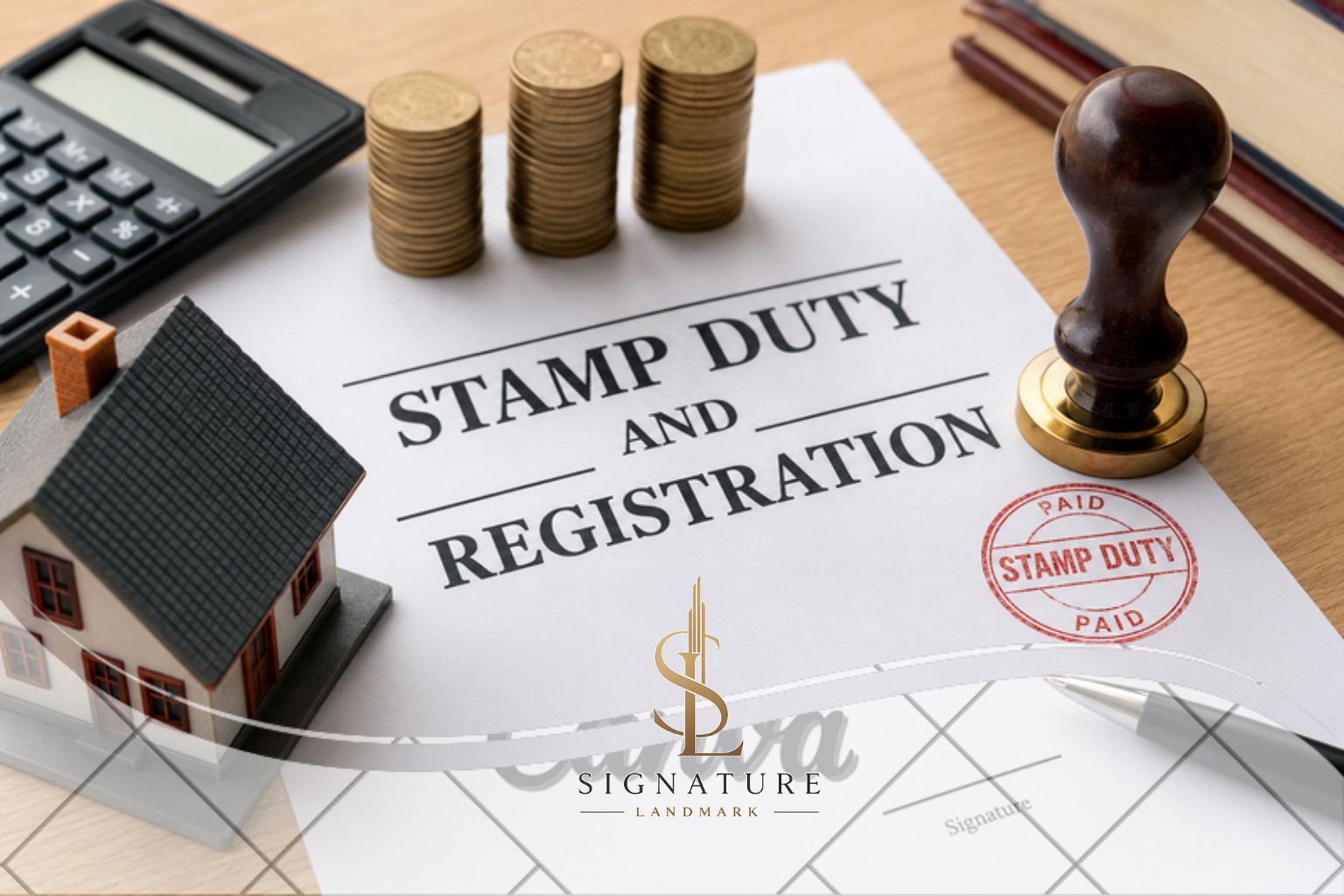

Buying a property is one of the biggest financial decisions in a person's life. Whether you are purchasing your first home, a commercial property, or an investment asset, understanding stamp duty is essential. Many buyers focus only on the property's purchase price and overlook the additional costs involved. Stamp duty is one of the most important legal charges that must be paid during a property transaction.
In this blog, we will explain what stamp duty is, why it is important, how it is calculated, and what buyers should know before registering a property.
What is Stamp Duty?
Stamp duty is a government tax imposed on property transactions. It is paid by the buyer at the time of purchasing a property and is mandatory under the law. Once the stamp duty is paid, the transaction becomes legally valid and the ownership transfer can be officially registered.
The amount collected through stamp duty contributes to the state's revenue and is used for infrastructure development, public services, and administrative expenses.
Why is Stamp Duty Important?
Paying stamp duty is not just a legal requirement—it also provides legal protection to the buyer. A properly stamped and registered property document serves as proof of ownership and helps avoid future legal disputes.
Some key benefits of paying stamp duty include:
- Legal recognition of property ownership.
- Smooth registration of the property.
- Better protection against ownership disputes.
- Easier access to home loans and financial assistance.
- Increased authenticity and market value of the property.
Failure to pay the required stamp duty may result in penalties, legal complications, or rejection of the registration process.
How is Stamp Duty Calculated?
Stamp duty is generally calculated based on one of the following:
- Market value of the property.
- Agreement value (purchase price).
- Ready Reckoner (Circle Rate) value prescribed by the government.
The applicable value is usually the higher of the market value or government valuation.
Several factors influence the stamp duty amount:
- State government rules.
- Property location.
- Residential or commercial property.
- Urban or rural area.
- Age and gender of the buyer.
- Type of ownership (individual or joint ownership).
Since stamp duty is regulated by state governments, the applicable rates differ from one state to another.
Stamp Duty in Maharashtra
For property buyers in Maharashtra, stamp duty rates vary depending on the property's location and government notifications. The state government may also announce temporary concessions for homebuyers during specific periods.
In cities like Nagpur, buyers should always verify the latest stamp duty rates before finalizing the transaction. Consulting a real estate expert or legal advisor can help avoid unexpected expenses.
Registration Charges
Apart from stamp duty, buyers are also required to pay registration charges while registering the property.
Property registration officially records the ownership details with the government. It protects both buyers and sellers and ensures that the property transaction is legally enforceable.
Registration charges are separate from stamp duty and are usually calculated according to state government rules.
When Should Stamp Duty Be Paid?
Stamp duty must be paid before or at the time of property registration. Delaying payment can attract penalties and interest.
Buyers can pay stamp duty through:
- Online payment portals.
- Authorized banks.
- Government treasury offices.
- E-stamping services where available.
After successful payment, buyers receive a stamp duty receipt or certificate that becomes part of the registration documents.
Documents Required
While paying stamp duty and registering a property, the following documents are generally required:
- Sale Agreement.
- Sale Deed.
- Identity Proof (Aadhaar, PAN, Passport, etc.).
- Address Proof.
- Passport-size photographs.
- PAN Card of buyer and seller.
- Property documents.
- Payment receipt.
The exact document list may vary depending on state regulations.
Can Stamp Duty Be Reduced?
Many state governments provide concessions under specific conditions. Buyers may receive benefits if:
- The property is registered in the name of a woman.
- Government housing schemes apply.
- Special state incentives are announced.
- Affordable housing benefits are available.
Before purchasing a property, buyers should check whether they qualify for any applicable exemptions or concessions.
Consequences of Not Paying Stamp Duty
Ignoring or underpaying stamp duty can lead to several legal problems, including:
- Heavy penalties.
- Interest on unpaid amounts.
- Delay in property registration.
- Invalid or inadmissible property documents.
- Legal disputes regarding ownership.
Therefore, it is always advisable to complete the payment accurately and on time.
Tips for Property Buyers
Before purchasing any property, keep these important points in mind:
- Verify the latest stamp duty rate applicable in your state.
- Estimate the total purchase cost, including registration charges.
- Maintain all payment receipts safely.
- Ensure every document is properly stamped and registered.
- Consult a legal expert if you have any doubts regarding documentation.
- Purchase property only after verifying legal approvals and ownership records.
How Signature Landmark Can Help
At Signature Landmark, we understand that buying property involves much more than selecting the right location. Our experienced team guides buyers through every stage of the property transaction, including documentation, legal verification, registration, and stamp duty guidance.
Whether you are purchasing your dream home, investing in residential property, or exploring commercial real estate in Nagpur, Signature Landmark ensures a smooth, transparent, and hassle-free buying experience.
Conclusion
Stamp duty is an essential part of every property transaction. It legally validates ownership, protects buyers from future disputes, and ensures compliance with government regulations. Since stamp duty rates differ across states and may change over time, buyers should always verify the latest applicable charges before completing a purchase.
Understanding stamp duty, registration charges, and legal procedures helps buyers make informed financial decisions and avoid unnecessary complications. With proper planning and expert guidance, your property buying journey becomes secure, transparent, and stress-free.