
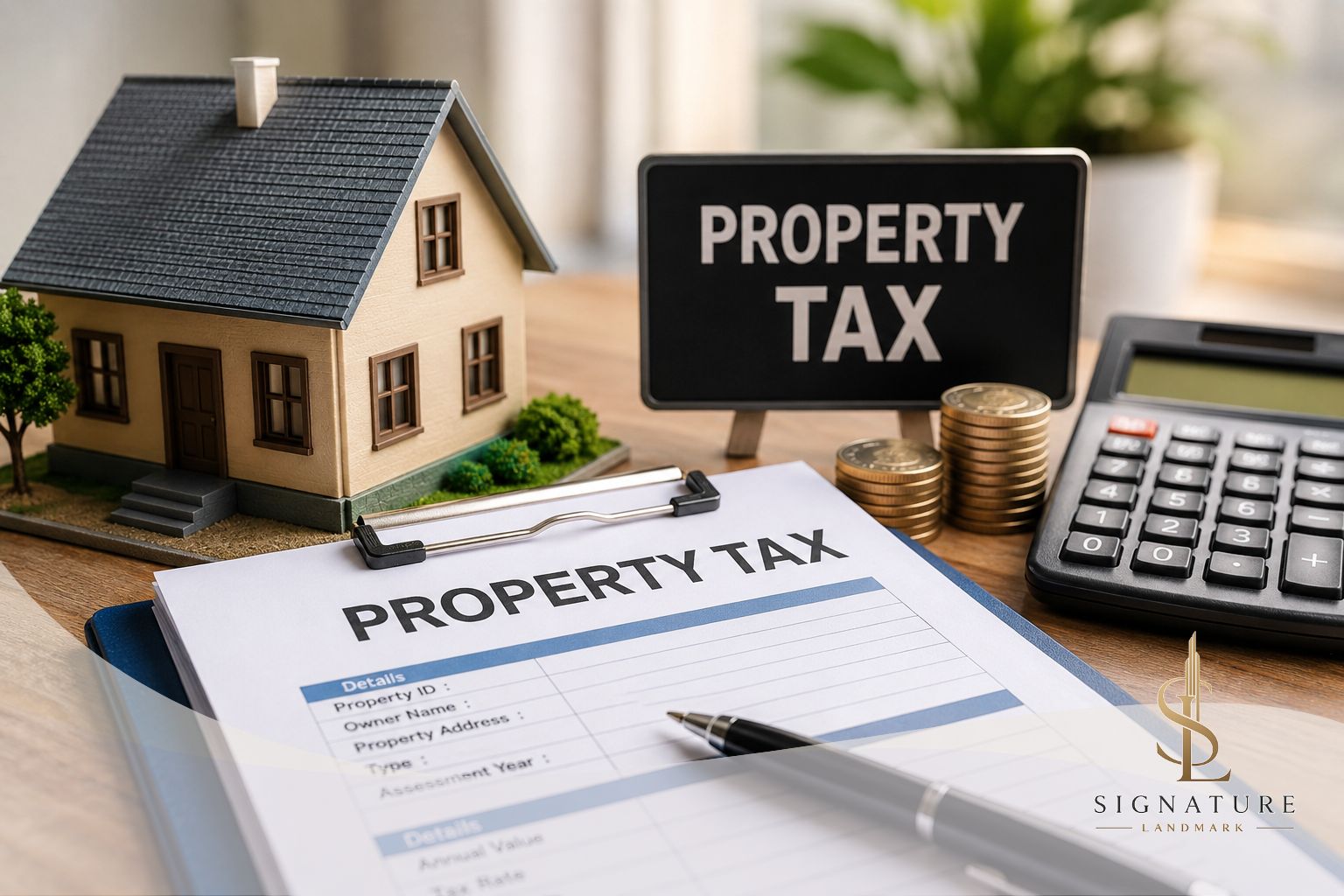

Property tax is an important financial responsibility for every property owner. Whether you own a house, apartment, commercial property, plot, or other real estate, understanding property tax can help you avoid penalties and manage your property expenses effectively.
In India, property tax is generally collected by local municipal authorities and is used to fund essential civic services such as roads, drainage, street lighting, water supply, sanitation, and waste management. The rules, rates, payment methods, and assessment procedures can vary from one city to another.
What Is Property Tax?
Property tax is a tax imposed by a local municipal corporation or local government authority on property owners. It is generally applicable to buildings and land within the authority's jurisdiction.
The tax may apply to:
- Residential houses and apartments
- Commercial buildings and offices
- Shops and business premises
- Vacant plots, depending on local rules
- Industrial properties
- Other taxable structures and properties
Property tax is usually calculated based on factors such as the property's location, size, usage, construction type, age, and applicable municipal assessment method.
Who Has to Pay Property Tax?
The responsibility generally falls on the owner or person legally responsible for the property. In some situations, the person occupying or possessing the property may have payment responsibilities according to local regulations.
If you purchase a property, it is important to check whether previous property tax dues have been cleared. Outstanding dues can create financial and legal complications during property transactions.
How Is Property Tax Calculated?
Property tax calculation differs between municipal authorities. Depending on the city, authorities may use methods such as annual rental value, capital value, or unit-area-based assessment.
Common factors that may influence the tax include:
- Location of the property
- Built-up or carpet area
- Type and use of property
- Age of the building
- Construction category
- Current municipal tax rates
- Applicable rebates or exemptions
Because calculation systems differ, property owners should check the applicable municipal rules rather than relying on a single formula for every city.
How to Pay Property Tax
Most municipal authorities provide online as well as offline payment options.
For online payment, property owners generally need details such as the property identification number, assessment number, previous tax receipt, or other municipal records.
A typical process includes:
- Visit the official municipal website.
- Select the property tax section.
- Enter the required property details.
- Verify the outstanding tax amount.
- Apply any eligible rebate.
- Select a payment method.
- Complete the payment.
- Download and save the receipt.
Offline payment may also be available through designated municipal offices or authorized payment centers.
Documents You May Need
The exact requirements vary by municipality, but property owners may need the following:
- Previous property tax receipt
- Property identification or assessment number
- Sale deed or ownership document
- Address and property details
- Identity proof, where required
- Relevant municipal correspondence
- Details of previous payments
Keeping these records safely is useful when selling, transferring, or updating property ownership.
What Happens If Property Tax Is Not Paid?
Failure to pay property tax on time may result in penalties, interest, or additional charges according to local rules. Continued non-payment can create outstanding dues against the property.
This is particularly important when buying or selling real estate. Before completing a transaction, buyers should verify property tax records and confirm that applicable dues have been cleared.
Property Tax When Buying or Selling a Property
Property tax records are an important part of property due diligence. A buyer should check the latest tax receipts and verify whether there are any outstanding municipal dues.
Sellers should also ensure that their tax payments are up to date before transferring the property.
Proper documentation can make the transaction smoother and reduce the possibility of disputes after the sale.
Property Tax Rebates and Exemptions
Some municipal authorities provide rebates, concessions, or exemptions for eligible property owners. These may depend on factors such as property type, ownership category, timely payment, age of the owner, or specific government schemes.
Eligibility and conditions vary, so property owners should check the latest rules issued by their local municipal authority.
Tips to Manage Property Tax Efficiently
Property owners can follow a few simple practices:
- Pay property tax before the due date.
- Keep digital and physical copies of receipts.
- Check the municipal assessment details periodically.
- Verify property ownership information after a purchase.
- Clear previous dues before selling a property.
- Check whether you qualify for any rebate or exemption.
- Use official municipal portals for payments whenever possible.
Property Tax in Nagpur
For property owners in Nagpur, property tax is an important part of maintaining proper municipal records. Owners of residential and commercial properties should keep their tax assessments and payment receipts updated and verify applicable rules with the relevant municipal authority.
If you are buying property in Nagpur, reviewing property tax records should be part of your overall property verification process, along with title documents, encumbrance records, approvals, and other relevant documents.
Conclusion
Property tax may seem like a routine annual expense, but it plays an important role in property ownership and documentation. Timely payment helps property owners avoid penalties and maintain updated municipal records.
Before buying or selling a property, always verify outstanding tax liabilities and supporting documents. If you are unsure about property documentation or a property's tax status, professional real estate guidance can help you make a more informed decision.
Signature Landmark helps property buyers and owners navigate real estate requirements with greater clarity and confidence, covering residential, commercial, plots, flats, and land-related services.