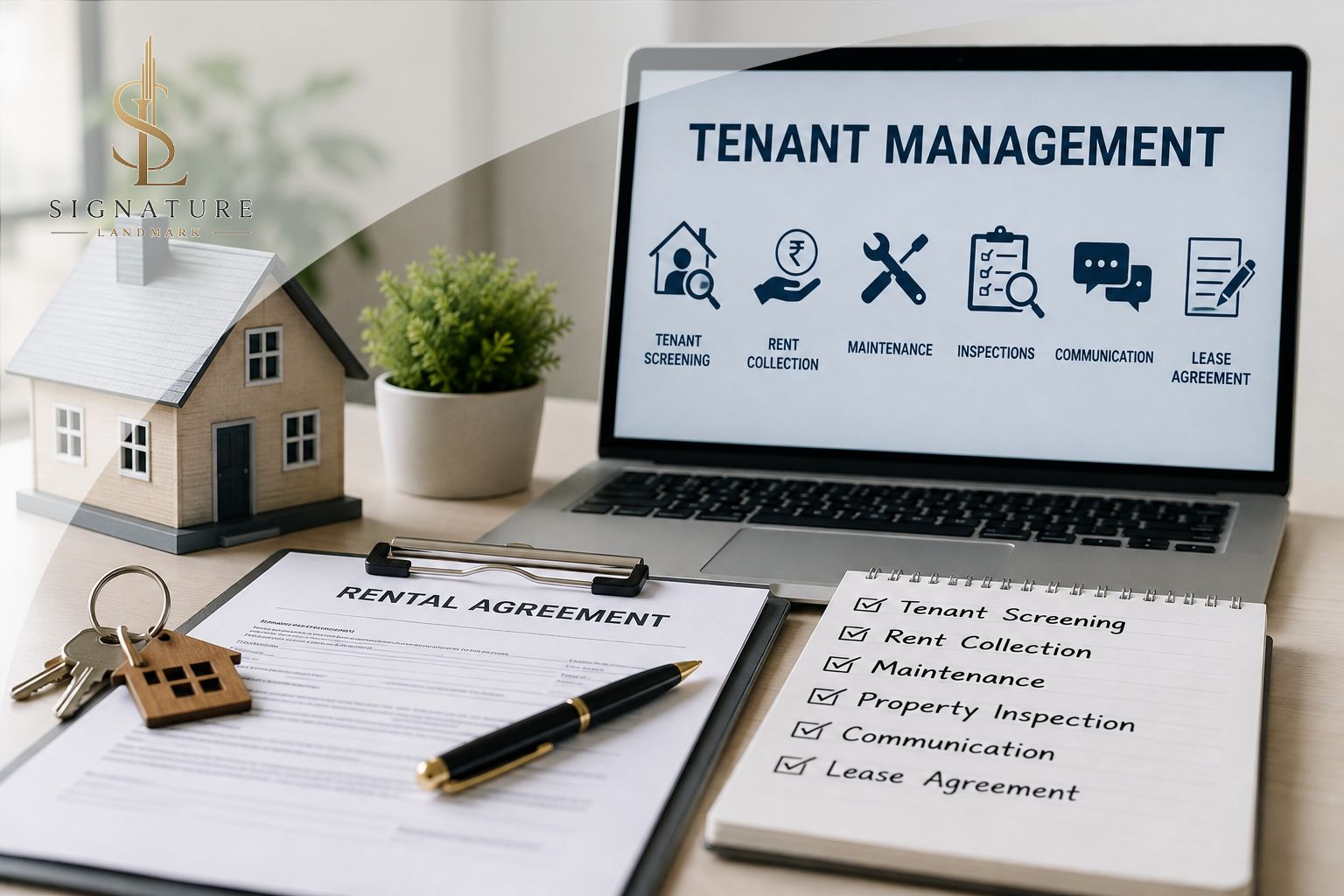

Managing tenants is an important part of owning a residential or commercial property. A good tenant can provide stable rental income, take care of the property, and make property ownership easier. However, poor communication, unclear agreements, delayed maintenance, and payment issues can create unnecessary stress for landlords and property owners.
Effective tenant management is about maintaining a professional relationship while protecting the property owner's interests. Whether you own one rental property or manage multiple properties, following a systematic approach can help you reduce problems and improve your rental experience.
1. Choose Tenants Carefully
One of the most important steps in tenant management is selecting the right tenant. Before finalizing a tenant, property owners should verify basic information such as identity, employment or income details, previous rental history, and references where appropriate.
Tenant verification can help reduce risks related to delayed rent, property damage, or disputes. However, the screening process should always be conducted fairly and in accordance with applicable laws and regulations.
2. Use a Clear Rental Agreement
A properly drafted rental or lease agreement is essential. It should clearly explain the responsibilities and expectations of both the property owner and tenant.
Important points may include:
- Monthly rent and payment date
- Security deposit
- Lease duration
- Maintenance responsibilities
- Utility payment responsibilities
- Rules regarding alterations or subletting
- Notice period for termination
- Conditions for renewal
- Procedures for handling repairs and complaints
A clear agreement helps prevent misunderstandings and provides a written record of the arrangement.
3. Maintain Proper Documentation
Good documentation makes tenant management much easier. Keep copies of the rental agreement, tenant identification documents, payment records, maintenance bills, inspection reports, and important communication.
Digital records can be particularly useful because they are easier to organize and access. Property owners should also maintain records of rent receipts and security deposits according to applicable requirements.
4. Collect Rent on Time
Consistent rent collection is essential for maintaining a healthy rental property. Clearly communicate the rent due date and preferred payment method before the tenant moves in.
Digital payment methods can make rent collection faster and easier. If rent is delayed, communicate promptly and professionally rather than allowing the issue to continue for several months.
A consistent rent-collection process helps both landlords and tenants understand their financial responsibilities.
5. Respond Quickly to Maintenance Requests
Maintenance is one of the most important aspects of tenant satisfaction. Small problems can become expensive repairs if they are ignored.
Property owners should establish a simple process for tenants to report issues. Depending on the situation, maintenance requests may involve plumbing, electrical systems, appliances, security, water supply, or structural problems.
Responding promptly shows tenants that their concerns are taken seriously and can also help protect the property from long-term damage.
6. Conduct Regular Property Inspections
Periodic inspections can help identify maintenance issues early. However, inspections should be conducted with proper notice and in accordance with the rental agreement and applicable local laws.
During an inspection, check for visible property damage, plumbing problems, electrical concerns, leakage, cleanliness of common areas, and other maintenance requirements.
Regular inspections should focus on protecting the property rather than unnecessarily interfering with the tenant's privacy.
7. Maintain Professional Communication
A professional relationship with tenants can prevent many disputes. Keep communication polite, clear, and documented.
Whenever possible, important matters such as rent changes, maintenance responsibilities, renewal terms, or notices should be communicated in writing.
Avoid emotional arguments and focus on the terms of the agreement and practical solutions. Good communication can turn a potential conflict into a manageable situation.
8. Respect Tenant Privacy
Property owners have legitimate reasons to inspect or maintain their property, but tenants also have privacy rights. Avoid entering a rented property without appropriate notice or permission except where legally permitted, such as genuine emergencies.
Respecting privacy builds trust and demonstrates professionalism.
9. Handle Security Deposits Properly
Security deposits can become a common source of disputes. Clearly explain the deposit amount, permitted deductions, and refund procedure in the rental agreement.
At the beginning and end of the tenancy, maintaining a record of the property's condition can be helpful. Photographs, inspection reports, and written records can provide useful evidence if disagreements arise.
10. Plan for Lease Renewal or Exit
Do not wait until the last moment to discuss lease renewal. Start the conversation early enough to give both parties time to make decisions.
If the tenant is leaving, conduct a final inspection, review outstanding payments or utility bills, assess legitimate deductions, and complete the handover process properly.
A structured move-out procedure can reduce disputes and help prepare the property for the next tenant.
11. Consider Professional Property Management
Managing tenants can become challenging when property owners have multiple properties, live in another city, or have limited time. Professional property management services can assist with tenant communication, rent collection, maintenance coordination, documentation, inspections, and property-related administration.
For property owners in Nagpur, working with an experienced real estate management company can make day-to-day rental management more convenient and organized.
Conclusion
Successful tenant management requires more than simply collecting rent. It involves careful tenant selection, clear agreements, timely maintenance, proper documentation, respectful communication, and consistent procedures.
Property owners who manage their rental properties professionally can build better tenant relationships, protect their investments, and reduce avoidable disputes. Whether you manage a single apartment, house, office, shop, or multiple properties, having a systematic tenant-management process can make property ownership much easier.
For owners who lack the time or expertise to handle daily rental responsibilities, professional property management can provide valuable support and peace of mind.