
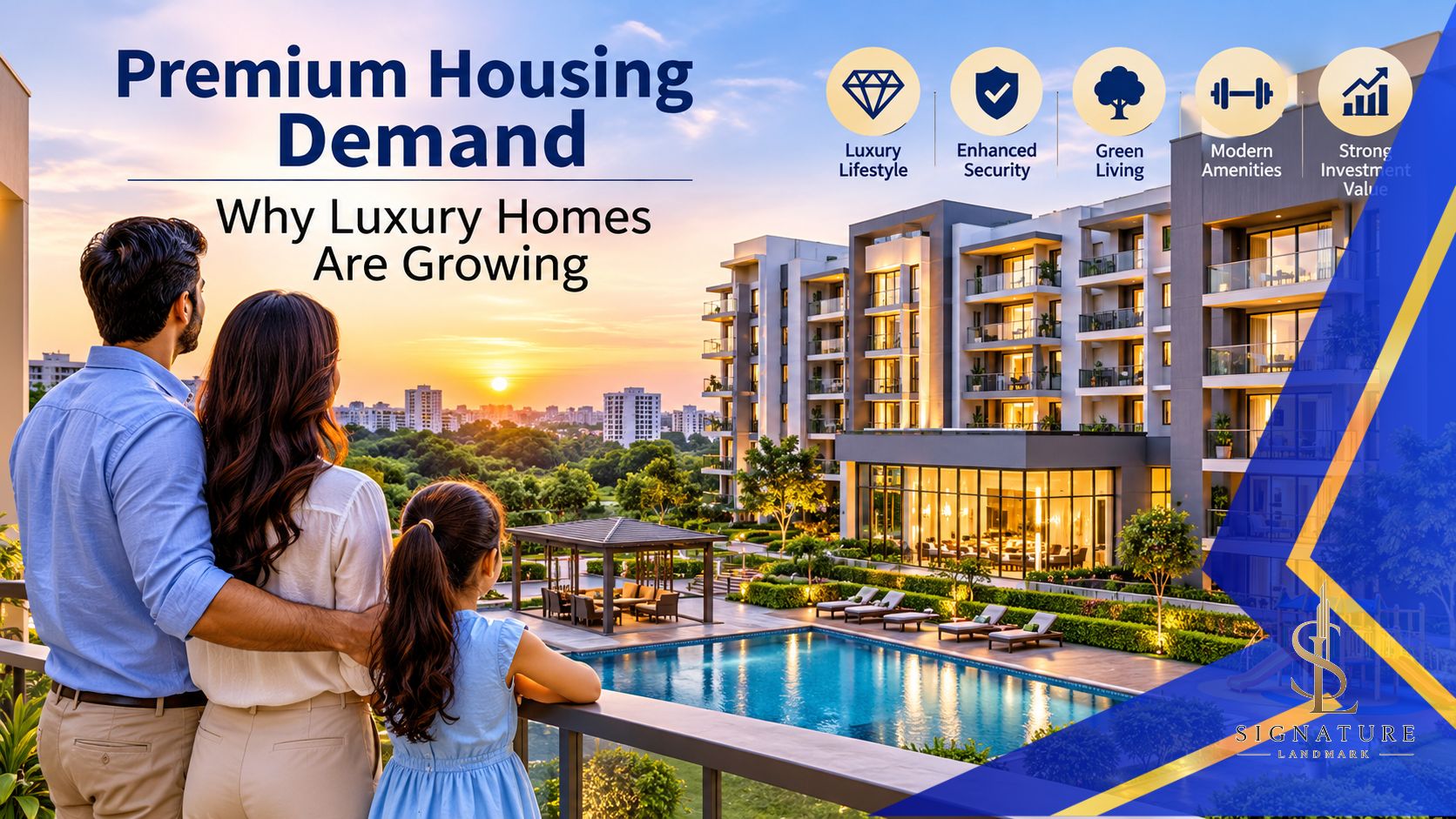

The Indian real estate market is experiencing a significant transformation. Homebuyers are no longer looking for just four walls and a roof; they increasingly want a lifestyle that offers comfort, convenience, security, modern amenities, and long-term value. This changing preference has given rise to a powerful trend known as premiumization.
Premiumisation refers to the growing demand for high-quality residential properties, luxury apartments, premium villas, and gated communities that offer better living experiences. Across major cities and emerging real estate destinations such as Nagpur, buyers are showing increasing interest in properties that combine modern architecture, spacious layouts, and lifestyle amenities.
Luxury and premium housing are becoming important drivers of residential real estate demand. But what is behind this growing popularity, and why are buyers willing to invest more in premium homes?
1. Changing Lifestyle Preferences
One of the biggest reasons behind premium housing demand is the changing lifestyle of Indian families. With rising incomes, evolving aspirations, and greater exposure to modern living standards, homebuyers are looking beyond basic housing requirements.
Today's buyers often prefer homes with:
- Spacious bedrooms and modern living areas.
- Modular kitchens and premium interiors.
- Landscaped gardens and open spaces.
- Clubhouses, gyms, and swimming pools.
- Dedicated parking facilities.
- 24/7 security and gated access.
These features improve everyday living and create a more comfortable residential environment. Premium housing is increasingly viewed as a lifestyle choice rather than simply a property purchase.
2. Rising Aspirations of Middle- and High-Income Buyers
India's growing professional workforce, entrepreneurs, and business owners are contributing to the demand for premium residential properties.
Many buyers are upgrading from smaller apartments to larger homes as their financial position improves. Families that previously prioritized affordability are now considering better locations, superior construction quality, and additional amenities.
For these buyers, a home represents personal achievement, financial stability, and social status. This shift in aspirations is encouraging developers to introduce more premium residential projects.
3. Demand for Better Amenities and Facilities
Modern homebuyers want more than an attractive building. They want an integrated lifestyle where essential facilities are easily accessible.
Premium residential developments often provide amenities such as:
- Modern fitness centers and yoga spaces.
- Children's play areas.
- Walking and jogging tracks.
- Community halls and recreational spaces.
- Landscaped gardens.
- CCTV surveillance and controlled entry.
- Power backup and water management systems.
These facilities are particularly attractive to families with children, working professionals, and senior citizens.
A well-planned residential community can offer convenience, recreation, and a stronger sense of community living.
4. Work-from-Home Culture and Larger Homes
The popularity of remote and hybrid working has changed the way people evaluate residential properties.
Many professionals now prefer larger apartments with dedicated workspaces, better ventilation, natural lighting, and peaceful surroundings.
A two-bedroom apartment may no longer meet the needs of a family that requires separate spaces for working, studying, and relaxation.
As a result, demand for spacious three-bedroom and four-bedroom apartments, luxury homes, and villas has gained importance in several housing markets.
Premium homes offer the flexibility needed to balance professional responsibilities and family life.
5. Premiumisation and Investment Potential
Luxury housing is also attracting investors who want to diversify their real estate portfolios.
Premium properties in established locations or developing neighborhoods may benefit from infrastructure improvements, employment growth, and increasing demand.
However, luxury properties require careful investment evaluation. Higher purchase prices do not automatically guarantee higher returns.
Before investing, buyers should consider:
- Location and future development potential.
- Developer reputation and project quality.
- Connectivity to business districts.
- Rental demand in the area.
- Maintenance and ownership costs.
- Resale potential and market liquidity.
Investors should compare the expected rental yield and overall costs rather than relying only on property appreciation.
6. Growing Demand for Luxury Housing in Tier-2 Cities
Premiumization is not limited to metropolitan cities such as Mumbai, Delhi, Bengaluru, and Pune. Tier-2 cities are also becoming attractive destinations for premium residential development.
Nagpur is one such emerging real estate market. Improvements in road connectivity, metro infrastructure, industrial development, and commercial activity are creating new residential opportunities.
Areas with improving connectivity and access to employment centers are attracting attention from homebuyers and investors.
Buyers in Nagpur are increasingly exploring:
- Premium apartments in well-connected locations.
- Luxury villas and independent houses.
- Gated township developments.
- Residential plots in developing areas.
- Projects offering modern amenities and open spaces.
As the city develops, demand for quality housing may create opportunities for developers offering thoughtfully planned residential projects.
7. Developers Are Focusing on Premium Projects
The growing preference for luxury housing is encouraging real estate developers to rethink their project strategies.
Instead of focusing only on the number of residential units, developers are increasingly emphasizing design, construction quality, amenities, and overall living experiences.
Some important development trends include:
- Smart home technologies.
- Energy-efficient building designs.
- Sustainable construction materials.
- Premium architectural features.
- Better space planning.
- Landscaped and environmentally friendly surroundings.
Developers who understand changing customer expectations can build stronger brand value and attract buyers looking for long-term residential satisfaction.
8. Luxury Housing as a Lifestyle and Status Symbol
For many buyers, owning a luxury property represents financial success and personal achievement.
Premium homes often feature attractive architecture, sophisticated interiors, spacious balconies, and exclusive amenities. These elements create a sense of comfort and exclusivity.
Luxury housing also appeals to buyers who want privacy, peaceful surroundings, and a better quality of life.
However, buyers should remember that a property's true value depends not only on its appearance but also on construction quality, location, legal approvals, and long-term maintenance.
9. Challenges in the Premium Housing Segment
Despite growing interest, the premium housing market also faces certain challenges.
High property prices: Luxury homes require significant investment and may not be affordable for every buyer.
Higher maintenance costs: Premium amenities and facilities can increase monthly maintenance expenses.
Limited buyer segment: Luxury properties generally target a smaller group of financially capable buyers.
Market fluctuations: Economic conditions, interest rates, and employment trends can influence premium property demand.
Location risks: An expensive property in a poorly connected location may not deliver the expected convenience or resale value.
Therefore, buyers should evaluate affordability, location, and future requirements before making a purchase decision.
10. What Does the Future Hold for Premium Housing?
The future of premium housing in India looks promising as urbanization, rising incomes, and changing lifestyle preferences continue to influence residential demand.
Homebuyers are expected to place greater importance on spacious homes, modern facilities, sustainability, security, and connectivity.
Emerging cities such as Nagpur may also benefit as infrastructure development and commercial activities create new residential requirements.
Developers who focus on quality construction, transparent transactions, and customer satisfaction are likely to remain competitive.
At the same time, affordability and practical housing requirements will continue to play an important role in shaping the overall market.
Conclusion
Premiumisation is changing the Indian real estate industry. Luxury and premium housing are attracting increasing attention because modern buyers want more than just a residential property. They want comfort, security, convenience, better amenities, and a lifestyle that matches their aspirations.
From metropolitan cities to emerging destinations like Nagpur, this trend is creating new opportunities for homebuyers, investors and developers.
However, purchasing a premium property should always involve careful research, financial planning, and legal verification. A truly valuable home is not defined only by its price or appearance but by its location, quality, functionality, and long-term potential.
Signature Landmark believes that informed property decisions and the right investment choices are essential for building a better real estate future.