
Owning a rental property can be a valuable source of regular income and long-term wealth. However, rental property ownership also comes with responsibilities, and one of the most important is property maintenance. A well-maintained rental property attracts reliable tenants, reduces unexpected repair costs, protects the property's value, and creates a positive relationship between landlords and tenants.
Whether you own an apartment, independent house, commercial space, or multiple rental properties, having a proper maintenance strategy can make property management easier and more profitable.
Why Rental Property Maintenance Is Important
Regular maintenance is essential to keep a rental property safe, functional, and attractive. Small problems can become expensive repairs if they are ignored. For example, a minor water leakage can eventually damage walls, flooring, electrical systems, or furniture.
Proper maintenance also helps protect the property's market value. A clean and well-maintained property is more appealing to prospective tenants and can help owners achieve better rental returns.
For landlords, maintenance is not simply an expense. It is an investment in the property's long-term condition and income potential.
Regular Property Inspection
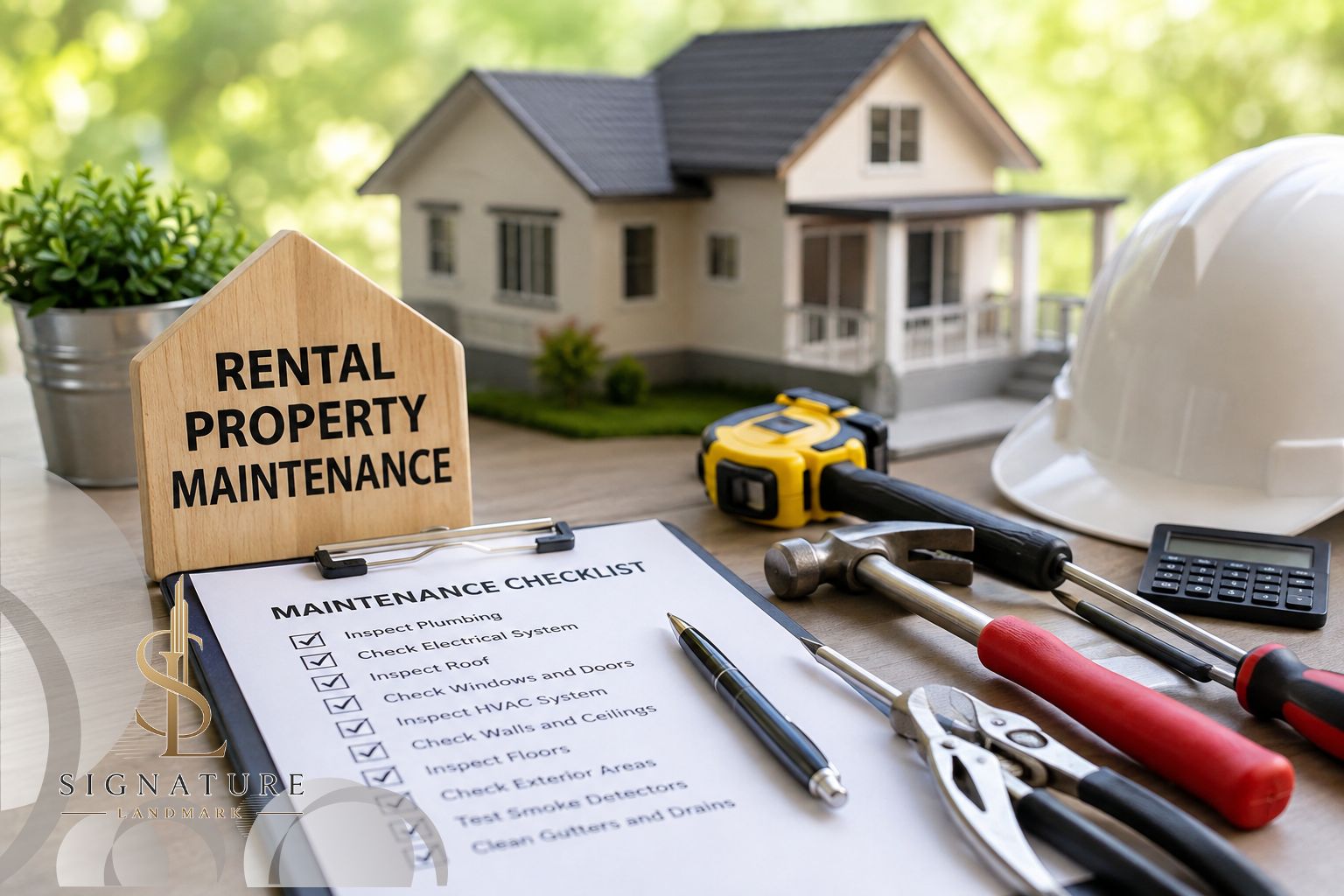
One of the most effective ways to maintain a rental property is to conduct regular inspections. Property owners or property managers should check important areas such as plumbing, electrical systems, doors, windows, walls, ceilings, flooring, and common facilities.
Inspections can help identify issues before they become major problems. It is advisable to maintain proper records of inspections, repairs, and maintenance expenses.
When conducting inspections, landlords should also respect applicable tenancy rules and provide appropriate notice to tenants where required.
Plumbing and Water System Maintenance
Plumbing problems are among the most common maintenance issues in rental properties. Leaking taps, blocked drains, damaged pipes, low water pressure, and faulty water tanks can cause inconvenience and property damage.
Regularly checking pipes, taps, drainage systems, water tanks, and bathroom fittings can help prevent serious problems. Any leakage should be repaired quickly to avoid dampness, mold, and structural damage.
In areas where water quality or availability is a concern, property owners should also monitor water storage and filtration systems where applicable.
Electrical and Safety Checks
Electrical maintenance is another important part of rental property management. Faulty wiring, damaged switches, overloaded sockets, and defective electrical equipment can create safety risks.
Property owners should arrange professional electrical inspections when necessary and repair damaged components promptly. Smoke detectors, emergency lighting, security systems, and other safety equipment should also be checked periodically.
Electrical work should always be carried out by qualified professionals.
Painting and Interior Maintenance
A property's appearance has a direct impact on tenant satisfaction. Walls, ceilings, doors, and other interior surfaces can become dirty or damaged over time.
Regular cleaning and occasional repainting can keep the property looking fresh. Before a new tenant moves in, landlords should inspect the property and address visible damage, stains, broken fixtures, or other issues.
Good interior maintenance can also make the property more competitive in the rental market.
Air Conditioning and Appliances
If the rental property includes air conditioners, refrigerators, geysers, exhaust fans, or other appliances, these should be maintained according to the manufacturer's recommendations.
Air-conditioning filters, for example, should be cleaned regularly to maintain performance and energy efficiency. Geysers and other electrical appliances should also be checked for safe operation.
Keeping maintenance records for major appliances can help property owners plan replacements and avoid unexpected expenses.
Exterior and Common Area Maintenance
For independent houses, exterior maintenance may include cleaning the entrance, checking the boundary walls, maintaining the gates, and inspecting the drainage systems.
For apartments and gated communities, some maintenance responsibilities may fall under the housing society or association. Owners should understand which repairs are their responsibility and which are managed through common maintenance charges.
Parking areas, lifts, corridors, gardens, security systems, and other shared facilities should be maintained in accordance with the applicable society or property management arrangements.
Preventive Maintenance Saves Money
Preventive maintenance is usually more cost-effective than emergency repairs. Property owners should create a maintenance schedule covering monthly, quarterly, and annual tasks.
For example, routine inspections can identify plumbing leaks, while annual electrical and structural checks can help detect potential safety concerns.
Maintaining a reserve fund for repairs is also useful. Instead of waiting for a major breakdown, owners can use planned maintenance budgets to handle necessary repairs at the right time.
Managing Tenants and Maintenance Requests
Clear communication between tenants and landlords is important for efficient property maintenance. Tenants should know how to report maintenance problems and which issues require immediate attention.
Property owners should respond to genuine repair requests promptly. At the same time, tenants should be encouraged to use the property responsibly and report problems before they become serious.
A written record of maintenance requests, repair dates, invoices, and service providers can make property management more organized.
Professional Property Management
Owners who live in another city, have multiple properties, or have limited time may find rental property maintenance challenging. Professional property management services can help coordinate inspections, repairs, tenant communication, documentation, and routine maintenance.
A professional property manager can act as a link between the property owner, tenant, and service providers. This can save time and help ensure that important maintenance tasks are not overlooked.
Conclusion
Rental property maintenance plays a major role in protecting both rental income and property value. Regular inspections, preventive maintenance, timely repairs, safety checks, and good tenant communication can significantly reduce long-term problems.
For property owners, the goal should be to create a systematic maintenance plan rather than dealing with repairs only when something goes wrong. A clean, safe, functional, and well-maintained rental property is more likely to attract good tenants and provide sustainable returns.
Whether you manage one property or a growing rental portfolio, professional and consistent maintenance is one of the keys to successful property management.