
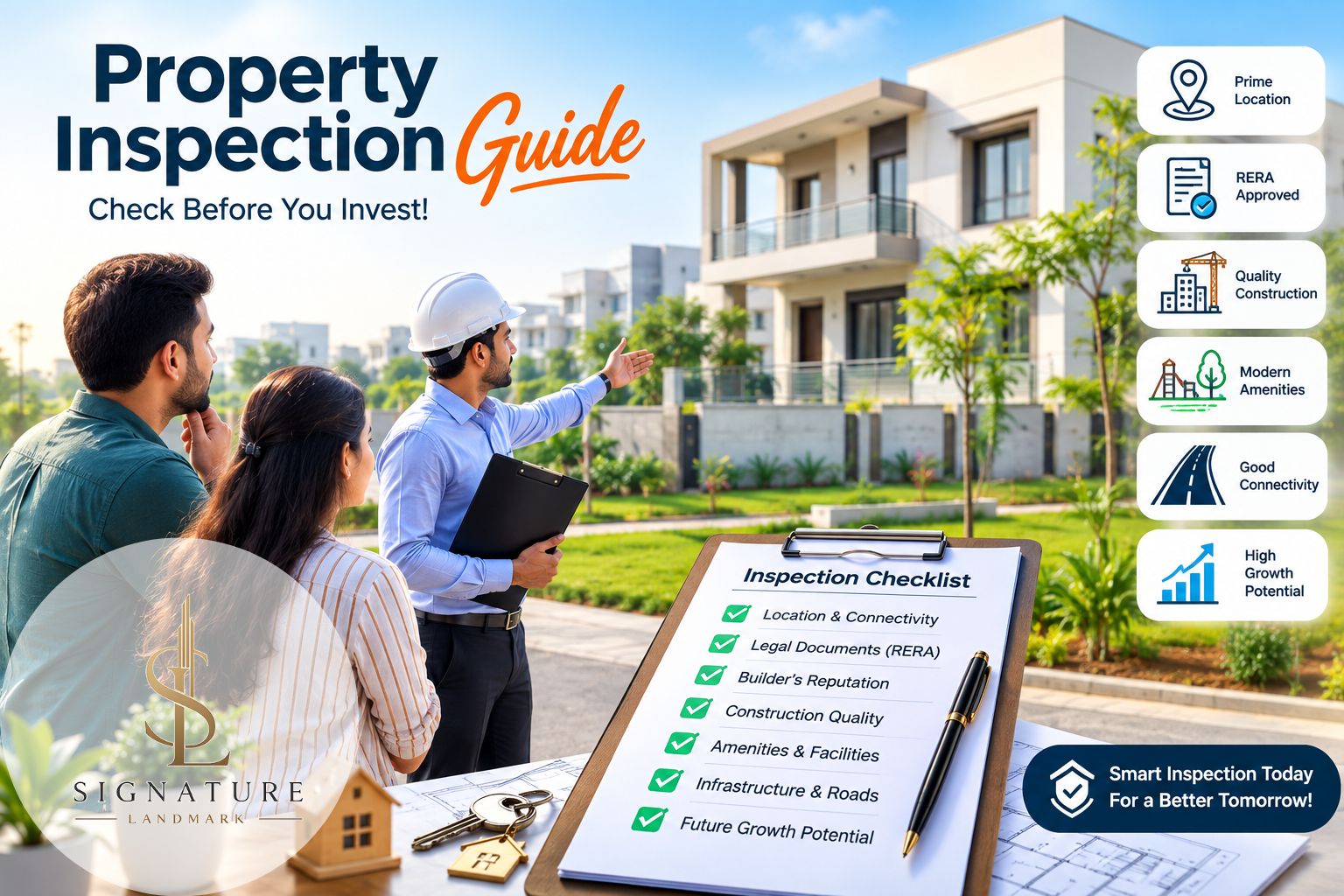

Buying a property is one of the biggest financial decisions you may make. Whether you are purchasing a home, apartment, plot, or commercial property, a thorough property inspection can help you identify hidden problems before completing the transaction. A property may look perfect during a quick visit, but issues related to construction, plumbing, electrical systems, documentation, or the surrounding area can become expensive later.
This property inspection guide explains the key things every buyer should check before purchasing a property.
1. Inspect the Overall Structure
Start by examining the physical condition of the property. Look carefully at walls, ceilings, floors, doors, windows, and other structural elements.
Look for:
- Cracks in walls or ceilings
- Dampness or water stains
- Uneven floors
- Damaged plaster
- Signs of leakage
- Weak or damaged doors and windows
Small cosmetic issues may be easy to repair, but large cracks or serious structural damage should be evaluated by a qualified professional before you proceed.
2. Check Plumbing and Water Supply
Plumbing problems can remain hidden until after possession. Turn on taps in the kitchen, bathrooms, and other areas to check water pressure and flow.
Inspect pipes, taps, sinks, toilets, drainage points, and water tanks. Look for leakage, unpleasant smells, blocked drains, or water stains around plumbing fixtures.
Also check whether the property has a reliable water supply and understand the source of water. For apartments and gated communities, ask about common water facilities and maintenance arrangements.
3. Inspect the Electrical System
Electrical safety is another important part of property inspection. Check switches, sockets, fans, lights, and other electrical fittings.
Ask whether the property has proper earthing and adequate electrical capacity. Inspect the electrical meter, distribution board, wiring, and backup power arrangements where applicable.
For an older property, it is advisable to have the electrical system checked by a qualified electrician. Replacing old wiring can be expensive and should be considered before finalizing the purchase.
4. Examine the Kitchen and Bathrooms
Kitchens and bathrooms usually require careful inspection because they contain plumbing, electrical fittings, tiles, cabinets, and drainage systems.
Check for broken tiles, loose fittings, leakage, poor ventilation, mold, damaged cabinets, and water seepage. Open and close cabinets and doors to check their condition.
In bathrooms, inspect the floor slope and drainage. Water should flow properly toward the drain without collecting in corners.
5. Check Doors, Windows and Ventilation
Doors and windows should open and close smoothly. Check locks, handles, hinges, glass panels, and frames for damage.
Good ventilation and natural light can significantly improve comfort and reduce maintenance problems. Inspect each room during the daytime to understand how much natural light enters the property.
Also check whether outside noise, traffic, or nearby construction could affect your living experience.
6. Inspect the Exterior and Common Areas
For an apartment or gated project, do not inspect only the individual unit. Check the entire property and common facilities.
Important areas include:
- Parking spaces
- Lifts
- Staircases
- Security arrangements
- Fire-safety equipment
- Corridors
- Garden and open spaces
- Clubhouse and amenities
- Drainage systems
- Building entrance
The condition of common areas can give you a good indication of how well the property is maintained.
7. Check the Surrounding Location
Property inspection should also include the neighborhood. Visit the location at different times of the day if possible.
Check access to roads, public transport, schools, hospitals, markets, banks, and other essential services. Observe traffic, noise, drainage, street lighting, parking, and general cleanliness.
For buyers in developing areas, also consider planned infrastructure and future development because these factors can influence convenience and property value.
8. Verify Property Documents
Physical inspection is only one part of due diligence. Legal documentation is equally important.
Depending on the property type and transaction, buyers should verify documents such as the title deed, sale deed, approved building plan, encumbrance certificate, property tax receipts, occupancy certificate, and applicable RERA registration details.
The ownership history and legal status should be checked carefully. When necessary, take advice from a qualified property lawyer before signing an agreement or making a substantial payment.
9. Understand Maintenance and Additional Costs
Before purchasing, ask about regular maintenance expenses and upcoming repair requirements.
For apartments, understand monthly maintenance charges, parking fees, sinking funds, and other applicable charges. For independent properties, consider expenses for painting, plumbing, electrical work, security, landscaping, and repairs.
A property that appears affordable initially may become expensive if it requires significant maintenance after purchase.
10. Prepare a Property Inspection Checklist
Always carry a written checklist during your inspection. Take photographs or videos of important issues and note down repairs that may be required.
If you discover major problems, obtain estimates from professionals before negotiating the final price. A detailed inspection can also help you compare multiple properties objectively.
Conclusion
A property inspection is an essential step before buying real estate. It helps buyers understand a property's actual condition, identify potential repair costs, and make a more informed decision.
Do not rely only on appearance or verbal assurances. Inspect the property carefully, verify important documents, understand the neighborhood, and seek professional assistance when required.
At Signature Landmark, we believe that informed property decisions begin with proper evaluation and due diligence. Whether you are looking for a residential property, commercial property, plot, flat, or land, careful inspection can help make your investment more secure and confident.