
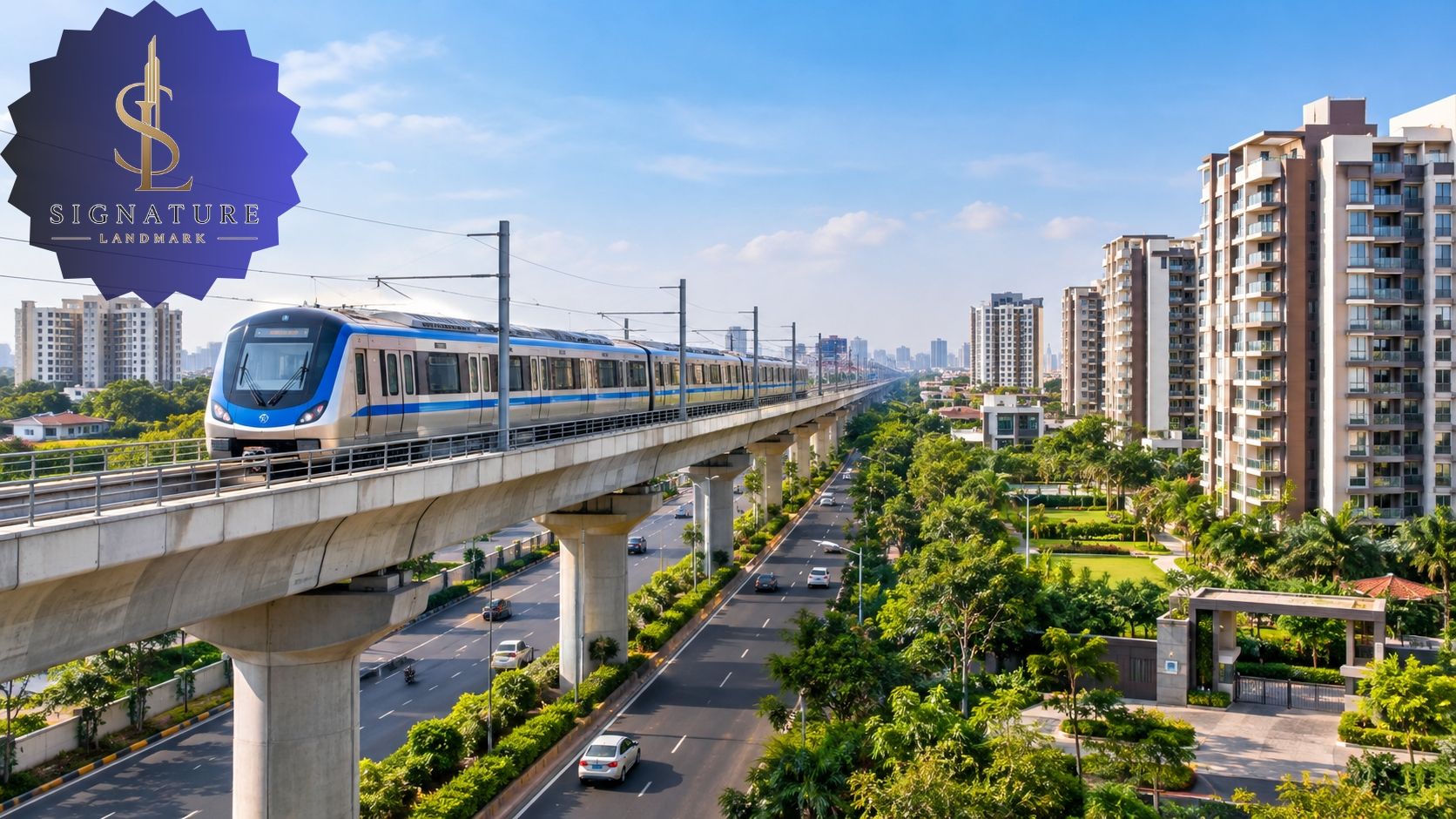

Nagpur is steadily developing into an important residential, commercial, and industrial center in Maharashtra. With expanding infrastructure, growing employment opportunities, and improved transport facilities, the city's real estate market is attracting attention from homebuyers and property investors.
One of the major infrastructure developments is Nagpur Metro Phase 2, which aims to extend metro connectivity towards Kanhan, Hingna, Butibori MIDC, and Transport Nagar. The expansion is planned across approximately 43.8 kilometers, with 32 stations across four corridors. These extensions are intended to connect more residential areas, industrial zones, and commercial destinations.
For the real estate sector, the big question is, will improved metro connectivity increase property demand and prices in Nagpur? Let's explore the potential benefits, emerging locations, and important considerations for property buyers.
1. Understanding Nagpur Metro Phase 2
Nagpur Metro Phase 2 is designed to extend the existing metro network and improve access to locations beyond the current operational corridors.
The planned extensions include:
- Kanhan corridor: Extending connectivity towards Kamptee and Kanhan.
- Hingna corridor: Connecting additional residential and industrial areas in the western part of the city.
- Butibori corridor: Improving access to the industrial belt and employment destinations.
- Transport Nagar corridor: Extending connectivity towards eastern logistics and commercial areas.
These routes could make commuting more convenient for residents travelling to workplaces, educational institutions, and commercial centres. However, the construction schedule and commissioning of individual sections remain important factors to monitor.
2. How Can Metro Connectivity Influence Property Demand?
Connectivity is an important consideration when people choose a home. Properties with convenient access to public transport can become attractive to working professionals, families, and tenants.
Reduced commuting difficulties: Metro services can provide an alternative to private vehicles and help residents plan their daily journeys more efficiently.
Better accessibility: Areas connected to employment centers, shopping facilities, and educational institutions may appeal to a wider group of buyers.
Growing rental interest: Professionals may prefer rental properties that offer convenient access to workplaces and transport connections.
Increased developer interest: Improved infrastructure can encourage developers to evaluate residential and commercial projects in locations with growing demand.
However, these benefits depend on actual service availability, travel times, feeder transport, and the surrounding area's development.
3. Which Areas Could Benefit from Metro Phase 2?
Wardha Road and MIHAN-connected locations
Wardha Road and the areas connected to MIHAN are important locations to watch because of their links to the airport, employment centers, and established transport infrastructure.
Properties in convenient commuting locations may appeal to professionals and families. Buyers should compare prices, construction quality, nearby amenities, and actual access to metro stations before investing.
Hingna and Wanadongri
The planned extension towards Hingna could improve public transport access for residents and people working in the surrounding industrial areas.
Residential demand may benefit if metro services are supported by suitable roads, schools, healthcare facilities, and local shopping options. Investors should also examine current housing supply and rental demand.
Kamptee and Kanhan
The northern extension could improve connectivity towards Kamptee and Kanhan, potentially benefiting residents who travel towards Nagpur for work, education, or other activities.
The long-term property outlook will depend on station accessibility, local infrastructure, employment opportunities, and the pace of development.
Transport Nagar and eastern Nagpur
The proposed Transport Nagar extension may support connectivity to logistics, commercial, and industrial activities. Residential properties in well-connected neighborhoods could attract people seeking convenient access to employment destinations.
These locations offer potential areas for research rather than guaranteed investment returns.
4. Will Property Prices Increase Near Metro Stations?
Metro infrastructure can influence property values, but the impact is rarely uniform across an entire city.
Properties near operational stations may attract buyers because of easier commuting. However, prices may already reflect expectations about future development.
Investors should avoid assuming that every property near a planned station will appreciate. Construction delays, oversupply, weak local infrastructure, and high purchase prices can affect investment performance.
A sensible approach is to compare recent transactions, current asking prices, rental income, and the total cost of ownership. Consider whether the property remains affordable even if appreciation takes longer than expected.
5. What Should Homebuyers Check Before Investing?
Before purchasing a flat, house, or plot near a proposed metro corridor, consider the following:
- Station distance: Check the actual walking or driving route rather than relying on straight-line distance.
- Project approvals: Verify applicable permissions and MahaRERA registration where required.
- Property title: Check ownership records, land-use permissions, and relevant legal documents.
- Construction progress: Confirm official project updates and avoid relying solely on promotional timelines.
- Local facilities: Assess water supply, roads, drainage, schools, hospitals, and shopping facilities.
- Financial affordability: Include registration charges, taxes, loan interest, maintenance, and other expenses.
- Resale and rental demand: Research existing market activity instead of depending entirely on future expectations.
These checks can help buyers make better-informed decisions and reduce avoidable risks.
6. The Long-Term Outlook for Nagpur Real Estate
Nagpur's future property demand will depend on more than metro expansion. Industrial growth, employment creation, household incomes, road connectivity, and the availability of quality housing will also influence the market.
Metro Phase 2 could support more balanced urban development by improving connections between residential neighborhoods and employment centers. Better public transport may also encourage people to consider locations that previously offered less convenient commuting options.
Nevertheless, investors should adopt a long-term perspective and evaluate each property on its own merits. Infrastructure announcements are useful indicators to monitor, but they are not substitutes for financial planning and legal verification.
Conclusion
Nagpur Metro Phase 2 has the potential to improve connectivity and strengthen the appeal of selected residential and commercial locations. Areas around the planned Hingna, Kanhan, Butibori MIDC, and Transport Nagar corridors are worth monitoring as construction progresses.
For homebuyers, the priority should be convenience, affordability, and a suitable living environment. For investors, rental demand, purchase price, legal clarity, and long-term development prospects should guide the decision.
At Signature Landmark, we believe successful property investment begins with informed research and a clear understanding of the local market. Before investing in a metro-connected property, compare locations carefully, verify official project information, and choose a property that suits your financial goals.