
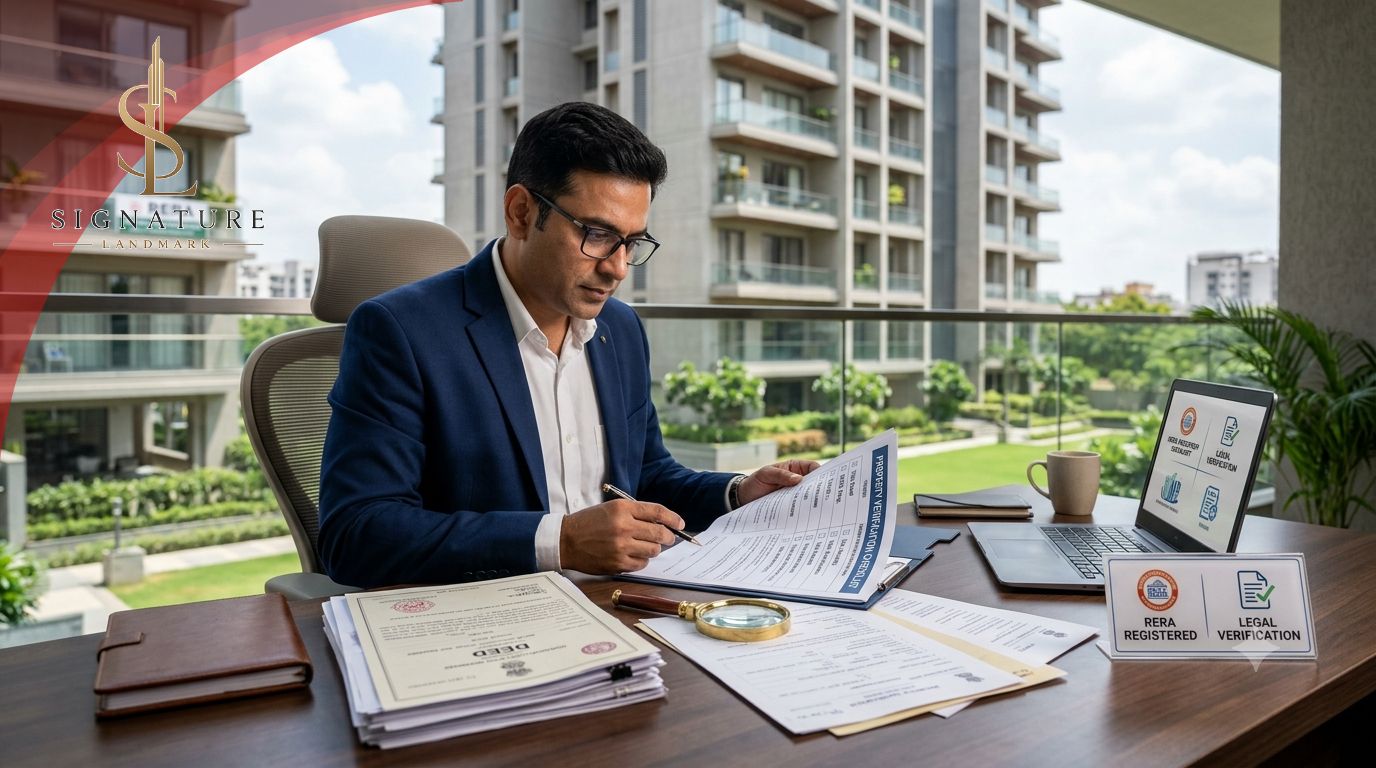

Buying a property is one of the biggest financial decisions you may make. Whether you are purchasing a flat, plot, house, commercial property, or land, verifying the property and its documents before making a payment is extremely important. Proper property verification can help you avoid legal disputes, ownership problems, fraud, and unexpected financial losses.
For buyers in India, a systematic property verification checklist can make the purchasing process safer and more transparent. Here is a practical checklist of the important things you should verify before buying a property.
1. Verify the Property Title
The first and most important step is checking the property's ownership. A title deed establishes who legally owns the property.
Make sure:
- The seller's name matches the ownership documents.
- The seller has the legal right to sell the property.
- The title is clear and transferable.
- There are no ownership disputes or competing claims.
It is advisable to have the title documents reviewed by a qualified property lawyer before proceeding with the purchase.
2. Check Previous Sale Deeds
If the property has been sold or transferred several times, examine its ownership history. This is commonly known as the chain of title.
Check previous sale deeds, gift deeds, partition deeds, inheritance documents, or other relevant transfer documents. The ownership history should be properly documented without unexplained gaps.
A clear chain of ownership provides greater confidence that the current seller has a legitimate claim over the property.
3. Obtain an Encumbrance Certificate
An Encumbrance Certificate (EC) helps determine whether the property has registered financial or legal liabilities, such as mortgages or certain claims.
Before purchasing, check the EC for the applicable period and ensure that there are no undisclosed registered encumbrances.
If the property was previously mortgaged, confirm that the loan has been fully settled and that the relevant release documents are available.
4. Verify Approved Building Plans
For flats, houses, and commercial properties, verify that the building has been constructed according to the plans approved by the appropriate local authority.
Compare the approved plan with the actual construction. Unauthorized additions or deviations may create problems when obtaining financing, selling the property, or dealing with local authorities.
For under-construction projects, buyers should also verify the project's approvals and applicable regulatory information.
5. Check RERA Registration
For applicable real estate projects, check the project's registration under the Real Estate (Regulation and Development) Act, 2016 (RERA).
Verify details such as:
- Project registration number
- Promoter or developer information
- Approved project details
- Proposed completion date
- Available units
- Project approvals and disclosures
Buyers can use the relevant state RERA authority's website to verify the information independently.
6. Verify Property Tax Receipts
Ask the seller for recent property tax receipts and check whether all applicable taxes have been paid.
Outstanding property taxes may become a concern during the transaction. Verify that the property's tax records correspond with the property and seller details.
Keeping copies of recent receipts can also help maintain a clear transaction record.
7. Check the Occupancy or Completion Certificate
For completed buildings, verify whether an Occupancy Certificate (OC) or Completion Certificate (CC) is applicable and available.
These documents can indicate that the building has met relevant requirements of the competent authority. Requirements vary by property type and local regulations, so buyers should confirm what applies to their property.
8. Verify Land and Development Permissions
If you are purchasing a plot or land, additional verification is particularly important.
Check:
- Land-use classification
- Development permissions
- Layout approval
- Survey records
- Plot boundaries
- Access road
- Applicable local restrictions
For agricultural or converted land, verify the relevant permissions and land-use status before agreeing.
9. Match the Physical Property With Documents
Never rely only on paperwork. Visit the property and compare it with the documents.
Check the:
- Survey or plot number
- Flat or unit number
- Carpet/built-up area as applicable
- Boundaries
- Floor
- Parking allocation
- Common areas
- Access roads
For plots and land, physically confirming boundaries can be particularly important.
10. Check for Existing Loans or Liabilities
Ask the seller whether the property has an outstanding home loan, mortgage, lien, or other financial liability.
If there is an existing loan, understand the process for closing the loan and obtaining the lender's release documents before completing the transaction.
Do not assume that a seller's verbal assurance is sufficient. Obtain appropriate documentary evidence.
11. Verify the Seller's Identity
Confirm the seller's identity and legal capacity to sell the property.
Check the relevant identity documents and ensure that the name and details are consistent across the property documents. If the property is jointly owned, inherited, or being sold through a power of attorney, additional legal verification may be necessary.
12. Get a Legal Property Verification
Even after checking the documents yourself, professional legal verification is highly recommended.
A property lawyer can examine the title, ownership history, encumbrances, approvals, agreements, and other relevant documents. This can help identify issues that may not be obvious to a first-time buyer.
Final Property Verification Checklist
Before purchasing a property, make sure you have checked:
☑ Title deed and ownership
☑ Previous sale deeds and ownership chain
☑ Encumbrance Certificate
☑ Approved building or layout plan
☑ RERA registration, where applicable
☑ Property tax receipts
☑ Occupancy/Completion Certificate, where applicable
☑ Land-use and development permissions
☑ Physical property details
☑ Existing loans and liabilities
☑ Seller's identity and authority to sell
☑ Legal verification of documents
Conclusion
Property verification is not just a formality—it is an essential part of making a safe property investment. A property may look attractive and be offered at a good price, but hidden legal, ownership, approval, or financial issues can create serious problems later.
Taking the time to verify the property's documents, approvals, ownership, and physical details can help you make a more informed decision. If you are buying a residential property, commercial property, plot, flat, or land in Nagpur, professional guidance can make the verification and purchasing process more convenient.
At Signature Landmark, we believe that informed buyers make confident property decisions. Always verify the documents carefully and seek qualified legal advice before signing agreements or making significant payments.