
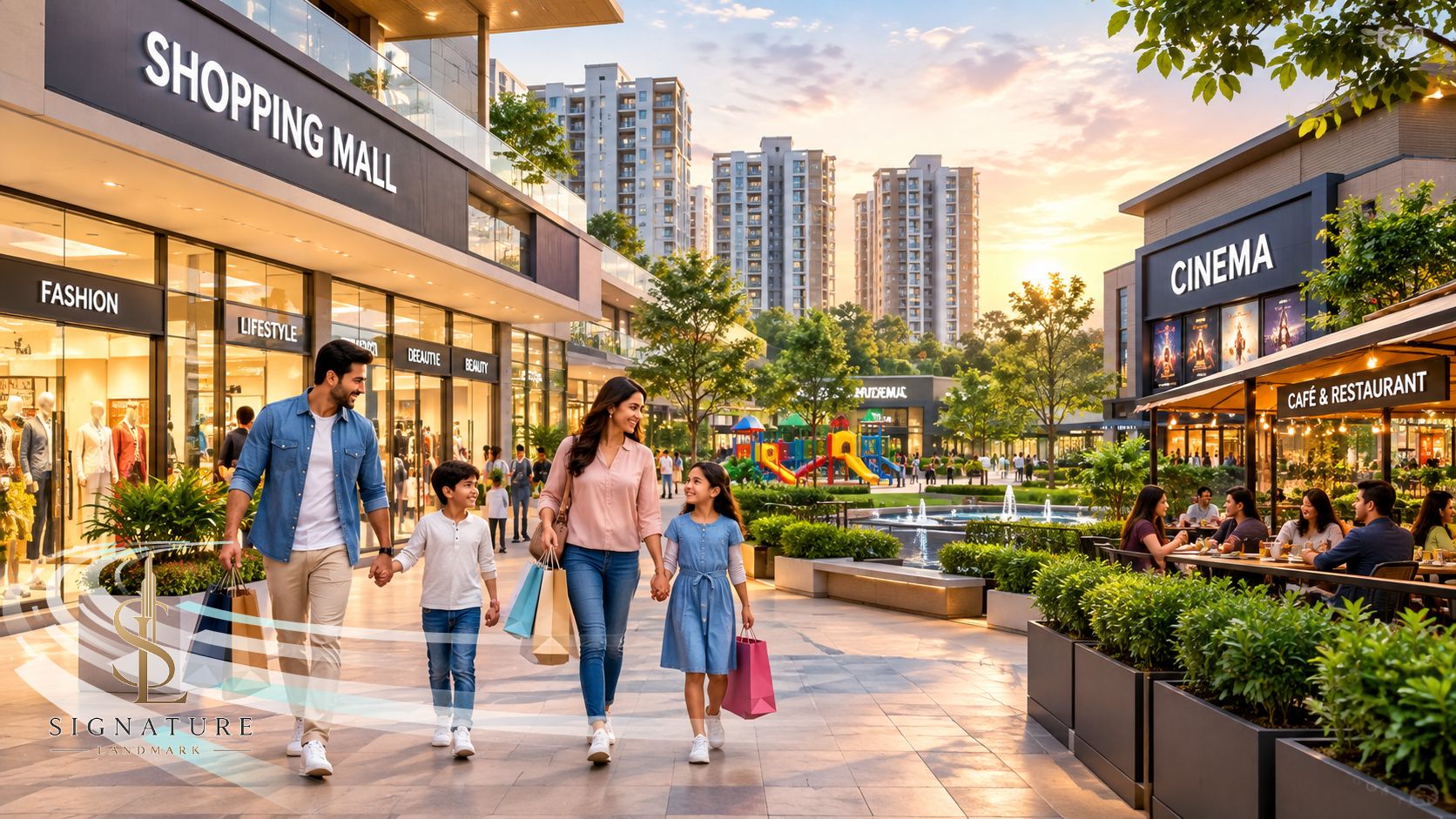

Modern urban living is no longer just about having a comfortable home. Today, people increasingly look for communities and locations that provide convenient access to shopping, entertainment, dining, recreation, and social activities. The availability of these facilities can make everyday life more enjoyable while also contributing to the overall appeal and potential value of a property.
For homebuyers and real estate investors, understanding the importance of shopping and entertainment facilities can be an important part of choosing the right location.
The Importance of Shopping Facilities
Shopping is an essential part of everyday life. Residents need convenient access to supermarkets, grocery stores, pharmacies, clothing stores, electronics shops, and other retail outlets. Living close to these facilities can save time and make daily activities more convenient.
Modern residential areas are increasingly developed near shopping destinations such as malls, retail complexes, high-street markets, and local shopping centers. Easy access to these places means residents can complete their daily shopping without spending excessive time travelling.
For families, nearby grocery stores and essential services are particularly useful. For young professionals, cafés, convenience stores, and retail outlets within easy reach can make urban living more comfortable.
Malls and Retail Destinations
Shopping malls have become important lifestyle destinations in many cities. They offer more than just shopping. A modern mall may include fashion stores, supermarkets, restaurants, cafés, gaming zones, cinemas, entertainment centers, and recreational activities.
Having a mall or major retail destination near a residential area can provide residents with a convenient place to shop, dine, meet friends, and spend weekends.
For property buyers, proximity to established shopping destinations can also be an attractive feature. Locations with good retail infrastructure may receive greater interest from both homebuyers and tenants.
Entertainment and Recreation
Entertainment plays an important role in maintaining a balanced lifestyle. People increasingly want access to activities that help them relax and spend quality time with family and friends.
Entertainment facilities can include:
- Multiplex cinemas
- Gaming and activity zones
- Restaurants and cafés
- Parks and recreational spaces
- Sports facilities
- Family entertainment centers
- Community clubs
- Cultural and event spaces
These facilities can create a lively atmosphere and improve the overall experience of living in a particular neighborhood.
Dining and Food Options
Restaurants, cafés, food courts, and local eateries are another important part of modern urban development. Residents often prefer locations where they can easily access different types of food and dining experiences.
A neighborhood with a variety of restaurants can be particularly attractive to young professionals, families, and tenants. From quick meals and coffee shops to family restaurants and premium dining, a diverse food environment adds convenience and lifestyle value.
In addition, the development of cafés and restaurants can contribute to the social character of a neighborhood, creating places where people can meet and interact.
Benefits for Families
Shopping and entertainment facilities can be especially beneficial for families. Parents can easily access essential shopping, while children can enjoy cinemas, parks, gaming zones, sports activities, and other recreational facilities.
Weekend activities become easier when entertainment destinations are located close to home. Families can spend time together without making long-distance journeys.
For families considering a new home, checking the availability of shopping and entertainment facilities can therefore be an important part of evaluating a neighborhood.
Impact on Property Demand
Location remains one of the most important factors in real estate. Properties located near established commercial and lifestyle facilities can attract attention from both buyers and tenants.
Good access to shopping and entertainment can improve convenience and make a neighborhood more desirable. In areas experiencing infrastructure development, the arrival of new retail and entertainment destinations may further increase local activity.
However, buyers should not evaluate a property solely on its proximity to these facilities. Factors such as connectivity, infrastructure, construction quality, safety, schools, healthcare, and overall neighborhood development should also be considered.
Connectivity Matters
The value of shopping and entertainment facilities is closely connected to accessibility. A destination may be nearby geographically but difficult to reach because of traffic, poor roads, or limited public transport.
Good road connectivity and access to public transportation can make shopping malls, markets, restaurants, and entertainment centers much more convenient.
When evaluating a property, buyers should consider actual travel time rather than simply looking at the distance shown on a map.
Future Development
Real estate buyers should also consider upcoming developments. New shopping centers, commercial projects, restaurants, entertainment zones, and improved transportation infrastructure can transform a developing neighborhood.
Before purchasing property, it can be useful to research planned infrastructure and commercial developments. Future growth can influence the convenience and overall attractiveness of an area.
At the same time, buyers should verify development information through reliable sources rather than relying solely on advertisements or informal claims.
What Homebuyers Should Check
Before selecting a property, consider the following checklist:
- Is a grocery store easily accessible?
- Are shopping centers or markets nearby?
- Is there a mall within reasonable travel time?
- Are restaurants and cafés available?
- Are cinemas or entertainment centers accessible?
- Are parks and recreational spaces nearby?
- Is the area well connected by roads and public transport?
- Are new commercial developments planned?
- Is the neighborhood safe and well maintained?
- Does the overall location suit your family's lifestyle?
Conclusion
Shopping and entertainment facilities have become important elements of modern urban living. They provide convenience, recreation, social opportunities, and a better lifestyle experience. For property buyers, access to these facilities can also be an important factor when comparing different locations.
However, the best property decision requires a broader evaluation. Connectivity, schools, healthcare, infrastructure, neighborhood quality, and future development should all be considered alongside shopping and entertainment.
A well-planned location that combines residential comfort with convenient access to retail, dining, recreation, and entertainment can offer a more enjoyable lifestyle and potentially stronger long-term appeal.