
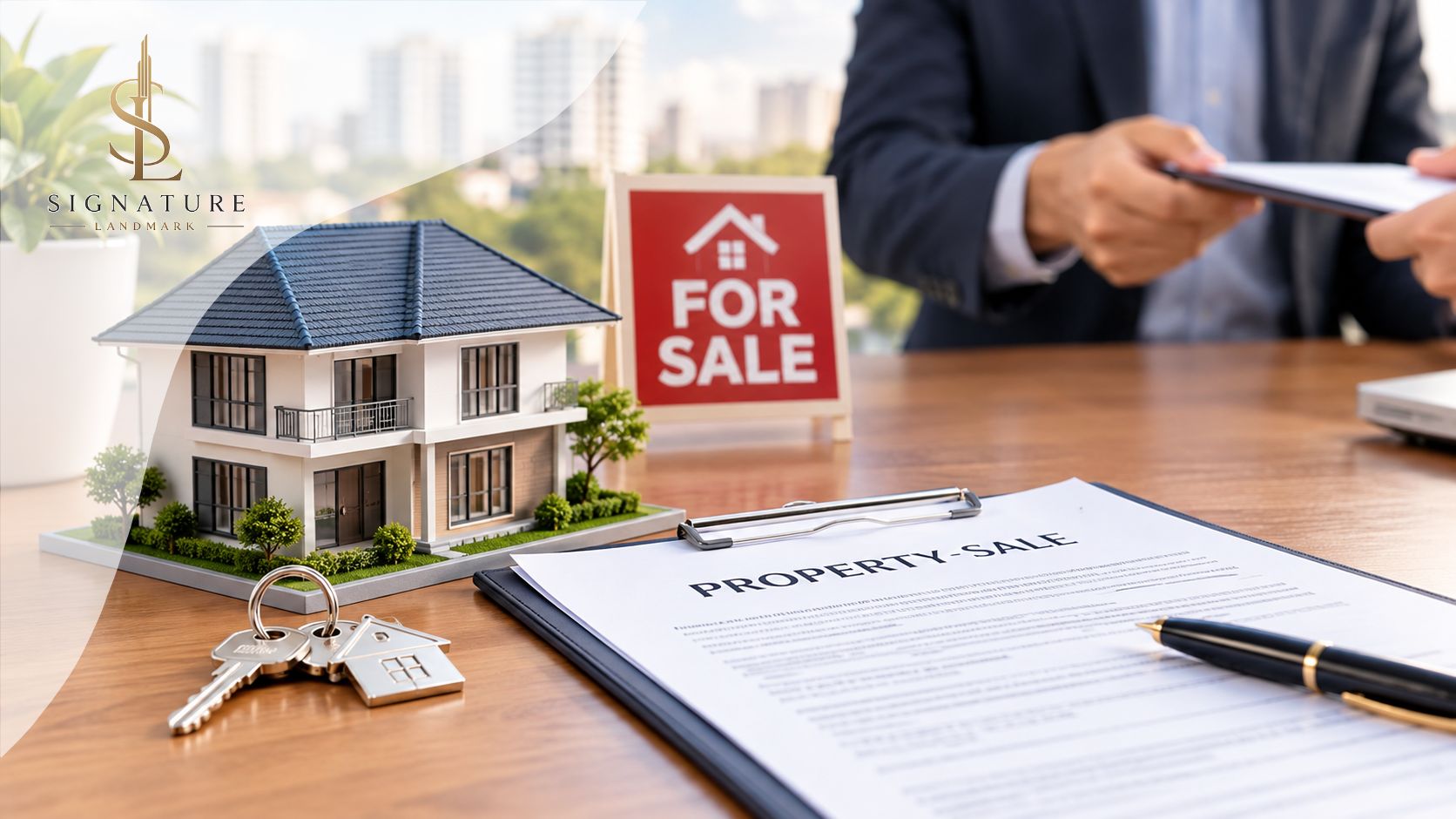

Selling a property is an important financial decision that requires careful planning, proper documentation, and a clear understanding of the local real estate market. Whether you are selling a residential house, apartment, plot, or commercial property, preparing properly can help make the process smoother and more transparent.
In this guide, we will discuss the important steps involved in selling your property and practical tips to help property owners prepare for a successful transaction.
1. Understand the Current Property Market
Before putting your property on the market, research current property prices in your area. Look at similar properties based on location, size, age, amenities, connectivity, and condition.
Understanding local market trends can help you set a realistic asking price. An excessively high price may reduce buyer interest, while pricing too low could affect your potential returns.
For properties in growing locations, factors such as upcoming infrastructure, roads, public transport, schools, hospitals, commercial developments, and other amenities can also influence buyer interest.
2. Determine the Right Selling Price
Pricing is one of the most important parts of selling your property. Consider the property's location, built-up area, carpet area, construction quality, age, parking facilities, amenities, and surrounding development.
You can compare recently listed or sold properties in the same locality. A professional property consultant can also provide useful market insights when determining an appropriate asking price.
Keep some flexibility for negotiations, but avoid making unrealistic price reductions simply to close a deal quickly.
3. Prepare All Property Documents
Having complete and properly organized documents can make the selling process easier. Depending on the property and transaction, documents may include:
- Sale Deed or Title Deed
- Previous ownership documents
- Encumbrance Certificate
- Property tax receipts
- Approved building plan, where applicable
- Occupancy or Completion Certificate, where applicable
- RERA-related documents, where applicable
- Society or association documents, where applicable
- Identity and address documents
- Loan closure or bank-related documents, if applicable
The exact documentation requirements can vary depending on the property and transaction. It is advisable to verify the documents with a qualified legal professional before completing the sale.
4. Make Your Property Presentable
First impressions can influence a buyer's interest. Before arranging property visits, clean and declutter the property.
Repair visible issues such as leaking taps, damaged fittings, broken doors, peeling paint, or faulty electrical fixtures. A well-maintained property can make it easier for buyers to understand its potential.
For vacant properties, ensure that the premises are clean, accessible, and adequately maintained.
5. Take Quality Property Photographs
Good photographs can make your property listing more attractive. Capture clear images of the living room, bedrooms, kitchen, bathrooms, balcony, parking area, exterior, and important amenities.
Whenever possible, take photographs during daylight hours. If your property has attractive views, landscaped areas, clubhouse facilities, security, or convenient access to major roads, include these features in the listing.
6. Create an Accurate Property Listing
Your property advertisement should provide clear and accurate information. Mention important details such as
- Property type
- Location
- Size
- Number of bedrooms or rooms
- Floor and building details
- Parking availability
- Age of property
- Amenities
- Asking price
- Nearby facilities
- Connectivity
- Contact details
Avoid making claims that cannot be verified. Accurate information helps build trust with potential buyers and reduces unnecessary inquiries.
7. Market the Property Effectively
There are several ways to promote a property, including online property platforms, social media, local networks, signage, referrals, and real estate professionals.
Using multiple channels can help increase visibility. A professional real estate consultant can also assist with buyer inquiries, property visits, negotiations, and transaction coordination.
8. Screen Potential Buyers
Not every inquiry will become a genuine buyer. Before spending significant time on repeated property visits and negotiations, try to understand the buyer's requirements and purchasing timeline.
For buyers using a home loan, financing eligibility and loan approval may affect the transaction timeline. However, sellers should avoid relying solely on verbal assurances and should verify relevant information through appropriate channels.
9. Negotiate Carefully
Once you receive an offer, consider more than just the offered price. Payment schedule, transaction timeline, financing arrangements, possession date, and other agreed terms can also be important.
Clearly communicate the terms before moving forward. Any significant agreement should be properly documented, and legal advice can help both parties understand their obligations.
10. Complete the Sale Legally
After both parties agree to the terms, the transaction should proceed through the appropriate legal and registration process. Depending on the property, this may involve an agreement, payment arrangements, document verification, stamp duty, registration, and transfer of possession.
If there is an existing property loan, coordinate with the lending institution regarding outstanding dues and release of relevant documents.
A qualified lawyer or property professional can help review the transaction documents and guide you through the applicable legal requirements.
Conclusion
Selling your property successfully requires more than simply finding a buyer. Proper pricing, complete documentation, good presentation, effective marketing, careful negotiation, and legal due diligence all play important roles in the process.
By preparing your property and documents in advance and working with appropriate professionals when needed, you can make the selling journey more organized and transparent.
Whether you are selling a home, apartment, plot, land, or commercial property, taking a structured approach can help you navigate the process with greater confidence.