
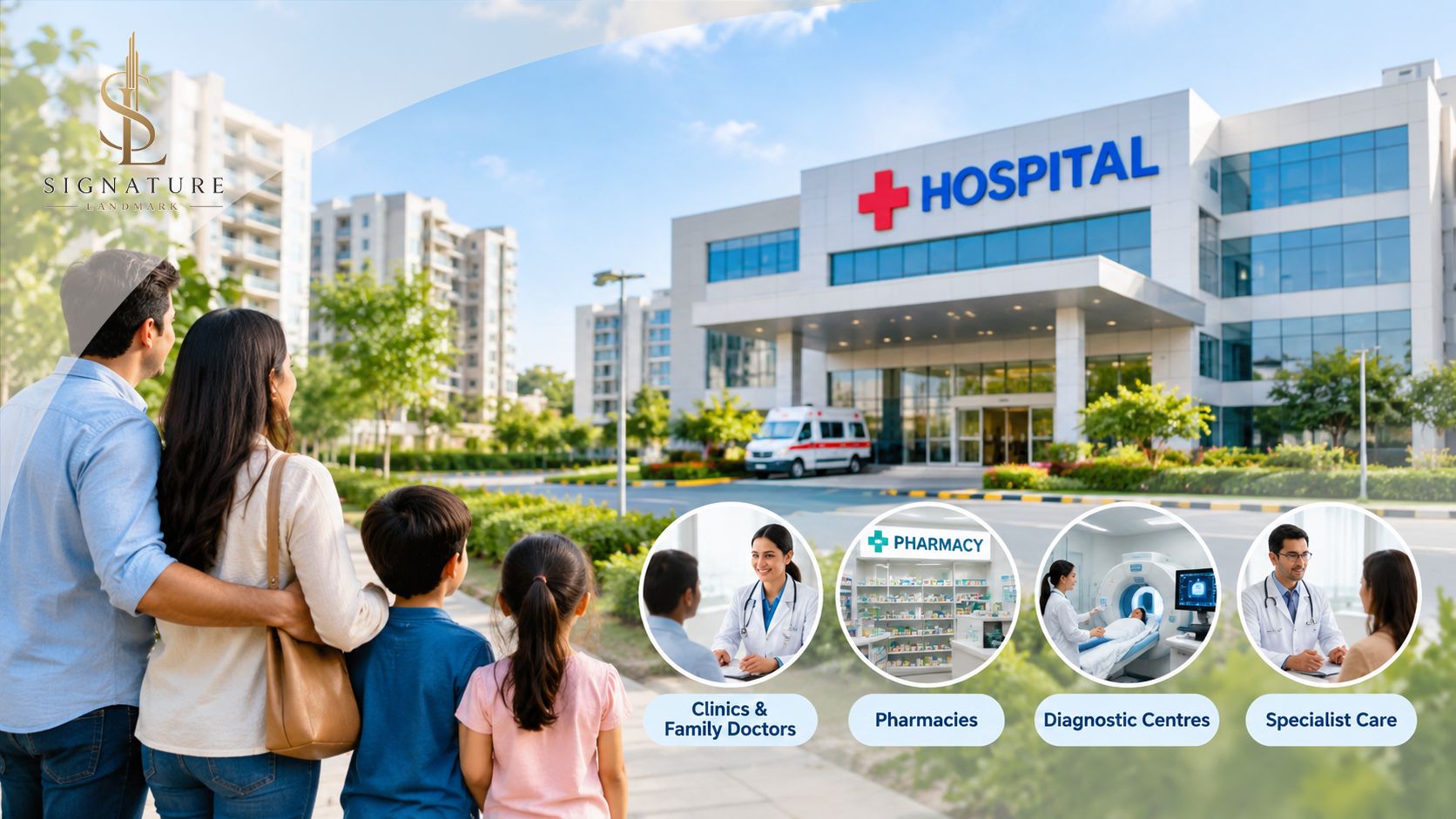

When choosing a home, people often consider factors such as price, connectivity, schools, shopping centers, parks, and neighborhood safety. However, healthcare facilities are equally important and should never be overlooked. Easy access to hospitals, clinics, pharmacies, diagnostic centers, and emergency services can make everyday life more convenient and provide valuable peace of mind for families.
For homebuyers and real estate investors, the availability of quality healthcare facilities near a residential area can also contribute to the long-term desirability and value of a property.
Why Healthcare Facilities Matter
Healthcare needs can arise unexpectedly. From routine medical check-ups and vaccinations to emergencies and specialist consultations, having healthcare services nearby can save valuable time. This is particularly important for families with children, senior citizens, and people who may require regular medical attention.
A residential location with good healthcare infrastructure offers residents convenient access to essential services. Instead of travelling long distances during an emergency or for routine appointments, residents can reach a nearby healthcare facility more quickly.
Types of Healthcare Facilities to Consider
When evaluating a residential location, it is useful to look beyond the presence of a single hospital. A well-developed area generally offers a combination of healthcare services.
1. Hospitals
Hospitals are among the most important healthcare facilities to consider. Look for hospitals that provide emergency care, general medicine, surgery, maternity services, and other relevant specialties.
The distance to a hospital is important, but accessibility is equally significant. A hospital that is nearby but difficult to reach because of traffic or poor road connectivity may not be as convenient as one with better access.
2. Clinics and Family Doctors
Local clinics and family doctors are useful for regular consultations and minor health concerns. Having clinics close to home can make it easier to seek medical advice without visiting a large hospital for every issue.
3. Pharmacies
A nearby pharmacy can be extremely convenient, especially when medicines are needed outside normal working hours. Residents should check whether pharmacies are available within easy walking or driving distance.
4. Diagnostic Centers
Diagnostic laboratories and imaging centers provide services such as blood tests, health screenings, X-rays, ultrasound examinations, and other tests. Access to reliable diagnostic centers can make routine healthcare more convenient.
5. Specialist Healthcare
For families with specific healthcare requirements, access to specialists can be an important consideration. Depending on individual needs, buyers may look for nearby specialists in areas such as paediatrics, cardiology, orthopaedics, dermatology, dentistry, or gynaecology.
Healthcare Facilities and Residential Property
Healthcare infrastructure can influence the attractiveness of a residential location. Areas with established hospitals, clinics, and diagnostic centers may attract families and professionals who value convenience.
Good healthcare connectivity can also support rental demand. Tenants may prefer homes located close to major employment centers as well as essential services such as hospitals and pharmacies.
For investors, this does not mean that every property near a hospital will automatically increase in value. Property prices depend on several factors, including location, infrastructure, connectivity, development activity, supply and demand, and overall neighborhood quality. Healthcare facilities should therefore be considered as one part of a broader property evaluation.
How to Evaluate Healthcare Facilities Near a Property
Before purchasing a property, buyers should conduct practical research rather than relying only on advertisements.
Start by identifying hospitals, clinics, pharmacies, and diagnostic centers within the surrounding area. Check their actual travel distance and approximate travel time during normal and peak traffic conditions.
It is also useful to check the range of services offered. A small clinic may be sufficient for routine consultations, while a nearby multi-specialty hospital may provide additional reassurance for emergencies and specialist care.
Buyers can also consider factors such as emergency departments, availability of doctors, operating hours, ambulance services, and accessibility. Online reviews can provide useful opinions, but they should be considered alongside other reliable information.
Importance for Families
Families with children often place healthcare high on their list of priorities when selecting a home. Quick access to pediatricians, hospitals, pharmacies, and diagnostic centers can make managing children's healthcare easier.
Senior citizens may also benefit significantly from living in an area with convenient healthcare access. Regular medical consultations, diagnostic tests, and emergency services can become more important as people grow older.
For multi-generational families, a residential location with diverse healthcare options can provide convenience for different age groups.
Healthcare Facilities and Future Development
When considering an upcoming residential project, buyers should examine not only the healthcare facilities available today but also the area's future development.
New hospitals, clinics, medical centers, and improved road infrastructure can enhance the overall convenience of a developing neighborhood. However, buyers should distinguish between planned projects and completed facilities and verify development claims before making a property decision.
Government infrastructure plans and private developments can change over time, so independent verification is important.
A Practical Healthcare Checklist for Homebuyers
Before finalizing a property, consider the following:
- Is a hospital available within a reasonable travel distance?
- Is emergency medical care accessible?
- Are pharmacies located nearby?
- Are diagnostic laboratories easily accessible?
- Are general physicians and clinics available?
- Are relevant specialist doctors available in the area?
- How long does it take to reach the nearest major hospital during peak traffic?
- Is ambulance access convenient?
- Are healthcare facilities likely to expand as the neighborhood develops?
- Does the overall healthcare infrastructure match your family's requirements?
Conclusion
Healthcare facilities are an essential part of a well-planned residential neighborhood. Convenient access to hospitals, clinics, pharmacies, diagnostic centers, and specialist services can improve everyday living and provide peace of mind during emergencies.
For homebuyers, healthcare should be evaluated alongside schools, transportation, shopping, recreation, safety, and other infrastructure. For property investors, strong healthcare connectivity can contribute to the overall attractiveness of a location, although it should never be the sole basis for an investment decision.
Ultimately, choosing a home is about more than the building itself. A good location is one that supports a comfortable, convenient, and well-connected lifestyle—and accessible healthcare is an important part of that equation.