
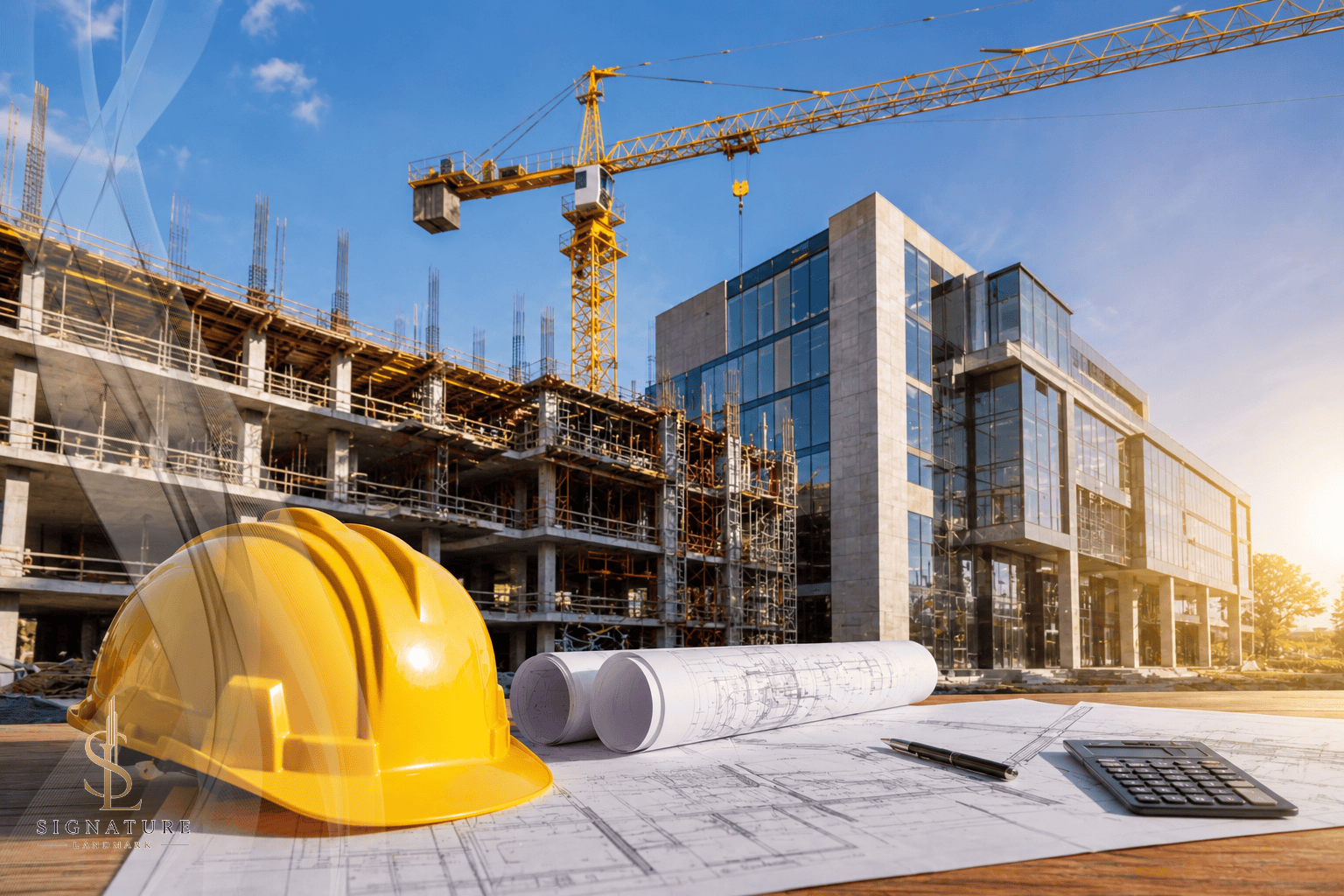

Construction and architecture are the foundation of modern civilization. Every home, office, hospital, school, and commercial building begins with a well-planned architectural design and a carefully executed construction process. Together, these two fields shape the way we live, work, and interact with our surroundings.
As cities continue to expand and technology evolves, the construction and architecture industry is embracing innovative materials, sustainable practices, and smart technologies to create buildings that are not only visually appealing but also efficient, durable, and environmentally responsible.
The Relationship Between Construction and Architecture
Architecture focuses on the planning, design, and aesthetics of a building. Architects create layouts that combine functionality, safety, comfort, and beauty while considering factors such as climate, space utilization, lighting, ventilation, and future maintenance.
Construction is the process of turning architectural designs into reality. It involves site preparation, foundation work, structural development, electrical and plumbing installations, finishing, and quality inspections. Builders, engineers, contractors, and skilled workers collaborate to ensure the project is completed safely, on time, and within budget.
Successful projects depend on seamless coordination between architects and construction professionals.
Modern Trends in Construction
The construction industry has transformed significantly over the past decade. New technologies are helping developers complete projects faster while improving quality and reducing costs.
Sustainable Construction
Green building practices are becoming the new standard. Developers are using eco-friendly materials, rainwater harvesting systems, solar panels, energy-efficient lighting, and better insulation to reduce environmental impact. Sustainable buildings consume less energy and provide healthier living environments.
Smart Buildings
Modern buildings are equipped with smart technologies that allow homeowners to control lighting, security systems, air conditioning, and appliances through smartphones or voice assistants. These features improve convenience while reducing energy consumption.
Prefabrication and Modular Construction
Many building components are now manufactured in factories before being transported to construction sites. This approach reduces construction time, minimizes waste, and improves quality control.
Building Information Modeling (BIM)
BIM enables architects, engineers, and contractors to work together using detailed 3D digital models. It helps identify design conflicts before construction begins, reducing delays and unnecessary expenses.
Importance of Good Architectural Design
A well-designed building offers much more than an attractive appearance. Good architecture improves the quality of life by creating functional, comfortable, and energy-efficient spaces.
Key benefits include:
- Better space utilization
- Improved natural lighting and ventilation
- Enhanced structural safety
- Reduced energy consumption
- Increased property value
- Lower maintenance costs
- Better aesthetic appeal
Whether it's a residential apartment, commercial complex, or luxury villa, thoughtful architectural planning makes a significant difference in long-term performance.
Choosing the Right Construction Materials
The durability and strength of any building largely depend on the quality of materials used during construction.
Common construction materials include:
- Cement
- Steel reinforcement
- Bricks and concrete blocks
- Sand and aggregates
- Ready-mix concrete
- Natural stone
- Glass
- Aluminum
- Wood
- Ceramic and vitrified tiles
Selecting premium-quality materials may involve a higher initial investment, but it significantly reduces maintenance costs and extends the building's lifespan.
Safety in Construction
Construction sites involve numerous risks, making safety a top priority. Proper planning, worker training, and adherence to safety standards help prevent accidents and ensure smooth project execution.
Essential safety practices include:
- Wearing helmets, gloves, and safety shoes
- Using scaffolding correctly
- Regular equipment inspections
- Electrical safety checks
- Fire prevention measures
- Site supervision
- Emergency response planning
A safe construction site not only protects workers but also improves productivity and project quality.
The Rise of Sustainable Architecture
Climate change has encouraged architects to rethink traditional building methods. Sustainable architecture focuses on reducing carbon emissions while maximizing energy efficiency.
Features of sustainable buildings include:
- Solar energy systems
- Green roofs
- Rainwater harvesting
- Natural ventilation
- High-performance insulation
- Energy-efficient windows
- Recycled building materials
These practices lower operating costs while contributing to environmental conservation.
Technology Transforming the Industry
Digital innovation is reshaping construction and architecture like never before.
Some of the latest technologies include:
- Artificial Intelligence for project planning
- Drone surveys for site inspections
- 3D printing for building components
- Virtual Reality for client walkthroughs
- Augmented Reality for construction visualization
- Robotics for repetitive construction tasks
- Internet of Things (IoT) for smart building management
These technologies improve efficiency, reduce errors, and enhance decision-making throughout the project lifecycle.
Future of Construction and Architecture
The future of the industry lies in creating buildings that are intelligent, sustainable, and adaptable. Urbanization will continue to drive demand for innovative housing, commercial spaces, and infrastructure projects.
Architects and builders will increasingly focus on energy efficiency, digital design, environmentally friendly materials, and resilient structures capable of meeting future challenges.
Governments and private developers are investing heavily in smart cities, affordable housing, and green infrastructure, opening new opportunities for growth across the construction sector.
Conclusion
Construction and architecture work hand in hand to shape the world around us. From designing beautiful homes to developing modern commercial buildings and sustainable communities, these industries continue to evolve with new technologies and environmentally responsible practices.
For homeowners, investors, and developers, understanding the importance of quality design, skilled construction, and sustainable planning can lead to better investments and long-lasting structures. As innovation continues to redefine the industry, the future of construction and architecture promises buildings that are smarter, safer, and more sustainable than ever before.