
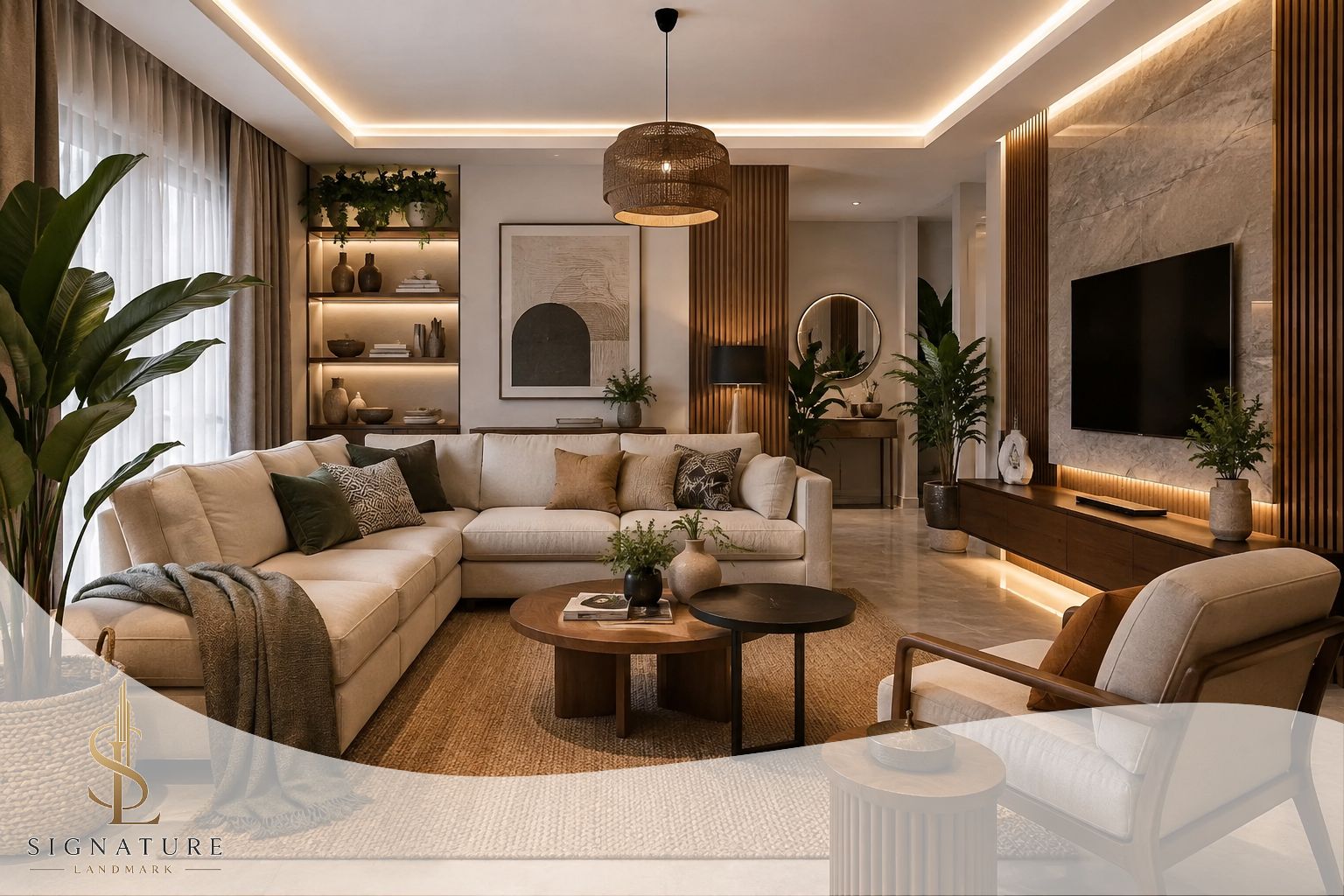

Interior design is constantly evolving, reflecting changes in lifestyle, technology, sustainability, and personal preferences. Today, homeowners are looking for interiors that are not only beautiful but also comfortable, functional, and personalized. Whether you are designing a new home, renovating an apartment, or upgrading a commercial space, understanding the latest interior design trends can help you create a modern and inviting environment.
Here are some of the most popular interior design trends shaping homes in 2026.
1. Warm and Natural Interiors
One of the biggest trends is the move toward warm, natural-looking spaces. Instead of overly polished interiors, homeowners are choosing materials and colors that create a comfortable and welcoming atmosphere.
Wood, natural stone, cane, rattan, linen, and textured fabrics are increasingly popular. Earthy shades such as beige, terracotta, olive green, warm brown, and cream can make rooms feel calm and connected to nature.
This approach works particularly well in living rooms, bedrooms, and dining areas where comfort is a priority.
2. Sustainable Interior Design
Sustainability has become an important consideration in modern homes. Homeowners are increasingly interested in environmentally responsible materials, energy-efficient lighting, durable furniture, and products that reduce waste.
Using locally sourced materials, recycled furniture, natural fabrics, and long-lasting finishes can create an attractive interior while reducing environmental impact.
Indoor plants are also becoming an essential part of sustainable interiors. They add freshness, improve visual appeal, and bring a natural element into urban homes.
3. Minimalism with Personality
Minimalism continues to influence interior design, but the modern version is warmer and more personal. Instead of empty spaces, designers are focusing on carefully selected furniture and decorative elements.
The idea is to remove unnecessary clutter while keeping items that have meaning or practical value. A statement artwork, a handmade décor piece, family photographs, or an attractive rug can add personality without overwhelming the room.
This style is especially useful for apartments where maximizing available space is important.
4. Multifunctional Spaces
Modern lifestyles require homes to serve multiple purposes. A spare bedroom may function as a home office, guest room, or study area. Similarly, living rooms may include dedicated work or entertainment zones.
Foldable furniture, modular sofas, built-in storage, sliding partitions, and convertible tables are becoming popular solutions.
Multifunctional design allows homeowners to make better use of every square foot while maintaining an organized appearance.
5. Smart Home Integration
Technology is becoming an important part of interior design. Smart lighting, automated curtains, smart security systems, temperature controls, and voice-controlled devices can improve convenience and efficiency.
The trend is moving toward technology that blends naturally into the interior rather than dominating it. Concealed wiring, integrated speakers, hidden charging points, and minimalist control panels help maintain a clean aesthetic.
For modern homeowners, smart technology can combine comfort, security, and energy efficiency.
6. Statement Lighting
Lighting is no longer considered just a functional feature. It has become an important decorative element.
Pendant lights, sculptural chandeliers, wall lights, recessed lighting, and layered illumination can dramatically change the appearance of a room. Warm lighting is particularly popular because it creates a relaxed and inviting atmosphere.
A well-designed lighting plan should combine ambient, task, and accent lighting to make the space both practical and visually attractive.
7. Curved Furniture and Soft Forms
Straight lines have traditionally dominated modern interiors, but curved designs are becoming increasingly popular. Rounded sofas, curved chairs, circular coffee tables, arched doorways, and soft-edged furniture can make interiors feel more relaxed.
Curved forms also create visual movement and can soften the appearance of contemporary spaces.
8. Textured Walls and Ceilings
Textured surfaces and feature walls are increasingly replacing plain walls. Fluted panels, wood finishes, decorative plaster, stone textures, wallpapers, and subtle wall moldings can add depth and character.
Ceilings are also receiving more attention. False ceilings with layered lighting, wooden accents, or interesting geometric details can become a major design feature.
9. Personalized Home Décor
One of the most important trends is personalization. Homeowners no longer want interiors that look exactly like showroom displays. They want spaces that reflect their lifestyle, interests, memories, and personality.
Custom furniture, artwork, travel souvenirs, photographs, books, and handcrafted décor can make a home feel unique.
Personalization also helps create an emotional connection between the homeowner and the space.
10. Indoor-Outdoor Connection
Homes are increasingly designed to create a stronger connection with outdoor spaces. Balconies, terraces, courtyards, and large windows can bring natural light and fresh air into the home.
Plants, natural materials, comfortable outdoor furniture, and greenery can turn balconies and terraces into relaxing extensions of the living area.
For urban homes, this trend can provide a valuable connection to nature.
Conclusion
Interior design trends are moving toward spaces that combine style, comfort, functionality, technology, and sustainability. The focus is no longer simply on making a home look attractive; it is about creating an environment that supports everyday life.
From natural materials and sustainable choices to smart technology, multifunctional furniture, personalized décor, and warm color palettes, today's interior design offers plenty of opportunities to create a home that feels both modern and timeless.
When planning your interiors, trends can inspire, but your personal lifestyle and practical requirements should remain the priority. A well-designed home looks beautiful, feels comfortable, and works efficiently for the people who live in it.
At Signature Landmark, we believe that a property becomes truly special when it reflects the lifestyle and vision of its owner.